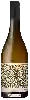
Winery Heritage du Baron LouisBlanc
 White wine


This wine generally goes well with
Details and technical informations about Winery Heritage du Baron Louis's Blanc.
Discover the grape variety: Colombard
Colombard is one of the oldest grape varieties in the Charentes. This golden white grape variety is a cross between Chenin and Gouais. The young leaves of colombard are yellow with bronze patches. The adult leaves may be three-lobed or whole, depending on the variety. Its branches are cottony. The bunches of this variety are thick and cylindrical. Its elliptical berries are medium-sized. They change color until they ripen, ranging from greenish white to golden yellow. Colombard is associated with an average budding. It is particularly susceptible to leafhoppers, grape worms, mites, mildew, powdery mildew and gray mold. It is also sensitive to water stress, but is not very sensitive to wind. It ripens late in the second half of the year. There are a dozen approved clones of Colombard, the best known of which are 608, 607 and 606. This variety produces a full-bodied, fine white wine. Aromas of lime, nectarine, boxwood, citrus and exotic fruits are released.
Last vintages of this wine

The best vintages of Blanc from Winery Heritage du Baron Louis are 2015, 2017
Informations about the Winery Heritage du Baron Louis
The Winery Heritage du Baron Louis is one of of the world's greatest estates. It offers 10 wines for sale in the of Comté Tolosan to come and discover on site or to buy online.

The wine region of Comté Tolosan
Comte Tolosan is a PGI title that covers wines produced in a large area of Southwestern France. The PGI basin encompasses 12 administrative dePartments and is home to a wide range of appellations d'origine contrôlée (AOC) such as Jurançon, Cahors and Armagnac. The IGP label provides a geographical classification for wines that are not classified for AOC level appellations due to Grape variety or winemaking style. The region is part of the Aquitaine basin - the plains that lie between the Pyrenees, the Massif Central and the Atlantic Ocean to the west.
The word of the wine: Water stress
Lack of water. Water stress blocks the vegetative cycle of the vine, which uses all available resources to maintain the integrity of the plant, thus blocking the ripening process of the grapes.