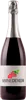
Winery ArlauxLes Roses Blanches Champagne
 Sparkling wine
This wine is a blend of 2 varietals which are the Chardonnay and the Pinot noir.
This wine generally goes well with pork, rich fish (salmon, tuna etc) or shellfish.
Food and wine pairings with Les Roses Blanches Champagne
Pairings that work perfectly with Les Roses Blanches Champagne



Original food and wine pairings with Les Roses Blanches Champagne

The Les Roses Blanches Champagne of Winery Arlaux matches generally quite well with dishes of pork, rich fish (salmon, tuna etc) or shellfish such as recipes of turkey roulades, flavoured sauce, tartiflette with smoked salmon or shrimp in coconut milk.
Details and technical informations about Winery Arlaux's Les Roses Blanches Champagne.
Discover the grape variety: Chardonnay
The white Chardonnay is a grape variety that originated in France (Burgundy). It produces a variety of grape specially used for wine making. It is rare to find this grape to eat on our tables. This variety of grape is characterized by small bunches, and small grapes. White Chardonnay can be found in many vineyards: South West, Burgundy, Jura, Languedoc & Roussillon, Cognac, Bordeaux, Beaujolais, Savoie & Bugey, Loire Valley, Champagne, Rhone Valley, Armagnac, Lorraine, Alsace, Provence & Corsica.
Informations about the Winery Arlaux
The Winery Arlaux is one of of the world's greatest estates. It offers 8 wines for sale in the of Champagne to come and discover on site or to buy online.

The wine region of Champagne
World benchmark sparkling wines: fine bubbles, citrusy tension, notes of brioche, toasted almond, white flowers and white-fleshed fruits after ageing on lees. Three grapes blended or solo: fleshy Pinot Noir (38%), fruity Meunier (33%), chiselled Chardonnay (28%). From straight Blanc de Blancs to vinous Blanc de Noirs, from non-vintage Brut to age-worthy Millésimé. AOC since 1927, 34,300 ha on chalk, 17 Grands Crus and 44 Premiers Crus.
The word of the wine: Eye
In tasting, this is the first phase of the analysis of the wine, which consists of describing its visual aspect (colour, intensity, clarity, brilliance and possible defects).