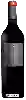
Winery AbbatucciValle di Mare
 Red wine


In the mouth this red wine is a with a lot of tannins present in the mouth.
This wine generally goes well with lean fish, veal or game (deer, venison).

Taste structure of the Valle di Mare from the Winery Abbatucci
Light | Bold | |
Smooth | Tannic | |
Dry | Sweet | |
Soft | Acidic |
In the mouth the Valle di Mare of Winery Abbatucci in the region of Corsica is a with a lot of tannins present in the mouth.
Food and wine pairings with Valle di Mare
Pairings that work perfectly with Valle di Mare



Original food and wine pairings with Valle di Mare


The Valle di Mare of Winery Abbatucci matches generally quite well with dishes of veal, game (deer, venison) or rich fish (salmon, tuna etc) such as recipes of veal shoulder with cream and tarragon, gigolette of rabbit or red tuna steak provençal style.
Details and technical informations about Winery Abbatucci's Valle di Mare.
Discover the grape variety: Sciacarello
Elegant, spiced reds with a clear ruby hue reminiscent of pinot noir, fine tannins and fresh acidity, with intense aromas of red fruits (cherry, raspberry), black pepper, spices, Mediterranean herbs (garrigue, maquis), violet and bitter notes on the finish. Also the star of airy Corsican rosés. Absolute star of Ajaccio AOC and pillar of Sartène. Native Corsican variety, the identity signature of Ajaccio.
Last vintages of this wine
The best vintages of Valle di Mare from Winery Abbatucci are 0
Informations about the Winery Abbatucci
The Winery Abbatucci is one of of the world's great estates. It offers 17 wines for sale in the of Corsica to come and discover on site or to buy online.

The wine region of Corsica
Mediterranean island wine region with a triple native face, ~8,000 ha. Niellucciu signature (cousin of Sangiovese) dominates Patrimonio: structured reds with signature notes of black cherry, garrigue, maquis, spices and leather, firm tannins and sun-drenched mouth. Sciaccarellu (min. 60% in Ajaccio) lighter and peppery (strawberry, wild herbs).
The word of the wine: Concentrate
Said of a wine that is rich in all its components (sugars in sweet wines, tannins in red wines, aromatic compounds) and that leaves an impression of density, intensity and depth.