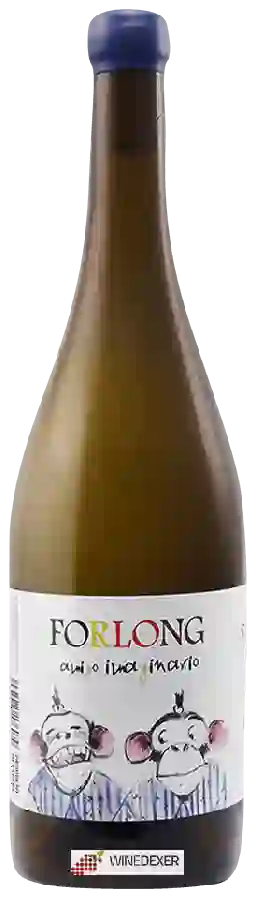
Winery ForlongEl Amigo Imaginario
 White wine


This wine generally goes well with
The El Amigo Imaginario of the Winery Forlong is in the top 20 of wines of Cádiz.

Wine flavors and olphactive analysis




On the nose the El Amigo Imaginario of Winery Forlong in the region of Andalousie often reveals types of flavors of non oak, earth or oak and sometimes also flavors of tree fruit, citrus fruit.
Details and technical informations about Winery Forlong's El Amigo Imaginario.
Discover the grape variety: Pecorino
Structured, aromatic whites with firm acidity and an ample mouth, featuring aromas of citrus, yellow peach, aromatic herbs (sage, thyme), almond, white flowers and saline mineral notes. Fine length and ageing capacity. Star of Offida Pecorino DOCG in the Marche and Abruzzo Pecorino DOC, driving force behind the revival of great modern Adriatic whites. Native Italian grape rediscovered in the 1980s after near-disappearance.
Last vintages of this wine

The best vintages of El Amigo Imaginario from Winery Forlong are 2015, 2016, 0, 2018 and 2017.
Informations about the Winery Forlong
The Winery Forlong is one of of the world's greatest estates. It offers 14 wines for sale in the of Cádiz to come and discover on site or to buy online.

The wine region of Cádiz
Andalusian IGP around Jerez, Sanlúcar and Chiclana, mild Atlantic-influenced climate. Star soils: albariza (white chalky marl) and coastal sands. Still wines beyond Sherry. Whites: dry Palomino (apple, citrus, almond, salty iodine), floral Moscatel (grape, flowers), ample Pedro Ximénez, taut Chardonnay.
The wine region of Andalousie
Dry, sun-baked southern Spain, world cradle of fortified and oxidative wines. Sherry from Jerez is the signature: Palomino Fino under a veil of flor yields lively, saline Fino with signature notes of almond, yeast, green apple and a sharp iodine edge; more maritime Manzanilla (Sanlúcar); unveiled Oloroso in grand oxidation (walnut, caramel, tobacco). Pedro Ximénez from Montilla-Moriles: intense dark sweet (fig, raisin, coffee, molasses). Also muscat Málaga.
The word of the wine: Runoff
Failure of the vine flower to fertilize at the time of flowering, when the weather is too cold or rainy. Under these conditions, the vine will have few or no clusters.