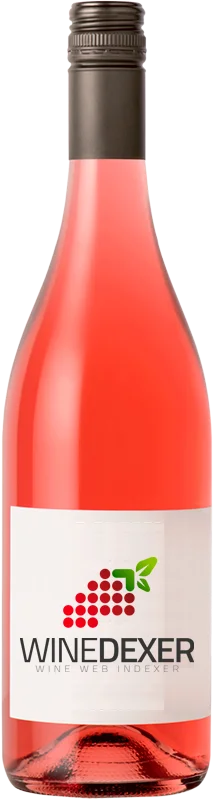
Domaine de FontenyCabernet D'Anjou
 Pink wine
This wine generally goes well with poultry, beef or lamb.

Food and wine pairings with Cabernet D'Anjou
Pairings that work perfectly with Cabernet D'Anjou



Original food and wine pairings with Cabernet D'Anjou

The Cabernet D'Anjou of Domaine de Fonteny matches generally quite well with dishes of beef, lamb or spicy food such as recipes of pasta bolognese, lamb epigram in spicy sauce or macaroonade from sète.
Details and technical informations about Domaine de Fonteny's Cabernet D'Anjou.
Discover the grape variety: Cabernet-Sauvignon
Structured, tannic reds, deeply coloured, with aromas of blackcurrant, blackberry, cedar, tobacco and graphite, underpinned by firm acidity and fine ageing potential. Cornerstone of the great Médoc estates (Pauillac, Saint-Estèphe, Saint-Julien) and signature of Napa Valley, Coonawarra and Maipo. The world's most planted red variety, a natural cross of Cabernet Franc x Sauvignon Blanc born in Bordeaux.
Informations about the Domaine de Fonteny
The Domaine de Fonteny is one of of the world's greatest estates. It offers 8 wines for sale in the of Saumur to come and discover on site or to buy online.

The wine region of Saumur
Loire tuffeau mosaic: Chenin reigns in whites — dry to off-dry with notes of citrus, apple, pear, candied white fruits, white flowers and a chalky mineral touch, taut acidity and a saline finish. Cabernet Franc (Breton) the signature red, airy (violet, raspberry, plum, peppery touch, fine tannins) and a fruity rosé. Renowned traditional-method Saumur Brut. Anjou-Saumur AOC on limestone tuffeau, troglodyte cellars.
The wine region of Loire Valley
Kingdom of lively, dry whites and fine sparklers. Mineral, taut Sauvignon Blanc (Sancerre, Pouilly-Fumé) with citrus and gunflint notes. Multiform Chenin Blanc (Vouvray, Savennières, Layon): straight dry, floral off-dry or noble sweet honey-quince. Saline, iodised Muscadet (Melon B.
The word of the wine: Raw
A term whose meaning varies according to the region (terroir or estate), but which everywhere contains the idea of identifying a wine with a specific place of production.