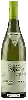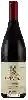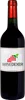
Fontaine du ClosTradition Rouge
 Red wine
This wine generally goes well with beef, game (deer, venison) or lamb.

Food and wine pairings with Tradition Rouge
Pairings that work perfectly with Tradition Rouge



Original food and wine pairings with Tradition Rouge
The Tradition Rouge of Fontaine du Clos matches generally quite well with dishes of beef, lamb or game (deer, venison) such as recipes of quick meatloaf, thiebou yappe from senegal (rice with lamb) or mymy's golden apples (squash).
Details and technical informations about Fontaine du Clos's Tradition Rouge.
Discover the grape variety: Béquignol
Deeply coloured, structured reds with a sustained purple robe, firm tannins, an ample palate and moderate acidity; signature aromas of dark fruits (blackberry, blackcurrant), spices and rustic notes from Aveyron. Full-bodied, age-worthy style. Preserved in a few heritage plots of the IGP Aveyron, among the ancient South-West varieties studied for their genetic interest. Indigenous French black grape from the South-West, grown in Aveyron and the Lot.
Informations about the Fontaine du Clos
The Fontaine du Clos is one of of the world's great estates. It offers 27 wines for sale in the of Rhône méridional to come and discover on site or to buy online.

The wine region of Rhône méridional
Sunny, Mediterranean southern Rhône, kingdom of Grenache Noir. Fleshy, generous reds with signature notes of candied red and black fruits (cherry, plum), garrigue (thyme, rosemary), pepper and sweet spices, round tannins and an opulent palate. Blended with peppery Syrah, deep Mourvèdre, supple Cinsault. Flagship crus: Châteauneuf-du-Pape on rolled pebbles (powerful, age-worthy), Gigondas, dense Vacqueyras, fleshy Tavel rosé, sweet muscat Beaumes-de-Venise.
The wine region of Rhone Valley
France's 2nd-largest AOC vineyard, two complementary worlds. Northern: pure Syrah in signature reds (Côte-Rôtie, Hermitage, Cornas), deep and peppery with blackberry, violet, black olive and smoked bacon notes, exceptional ageing. Opulent Viognier whites (Condrieu, apricot, flowers) and ample Marsanne-Roussanne. Southern: sun-soaked Grenache blends at Châteauneuf, Gigondas, Vacqueyras (candied fruit, garrigue).
The word of the wine: Burgundy melon
A white grape variety from Burgundy that is not widely used in its native region, but has spread to the Nantes region. It is the exclusive variety of Muscadet. It gives a dry pale yellow wine, supple and lively, with an intense bouquet, to which maturing on lees gives fatness and aromatic complexity.