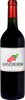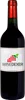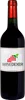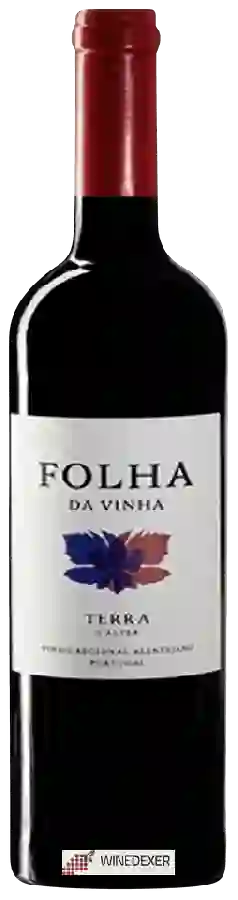
Winery Terra de AlterFolha da Vinha Tinto
 Red wine


In the mouth this red wine is a powerful.
This wine generally goes well with poultry, beef or veal.
Taste structure of the Folha da Vinha Tinto from the Winery Terra de Alter
Light | Bold | |
Smooth | Tannic | |
Dry | Sweet | |
Soft | Acidic |
In the mouth the Folha da Vinha Tinto of Winery Terra de Alter in the region of Alentejano is a powerful.
Food and wine pairings with Folha da Vinha Tinto
Pairings that work perfectly with Folha da Vinha Tinto



Original food and wine pairings with Folha da Vinha Tinto

The Folha da Vinha Tinto of Winery Terra de Alter matches generally quite well with dishes of beef, pasta or veal such as recipes of borscht (russia), tagliatelle with mushrooms or veal curry.
Details and technical informations about Winery Terra de Alter's Folha da Vinha Tinto.
Discover the grape variety: Dawn seedless
Cross between the gold and the pearl obtained in the United States (California) by Harold P. Olmo and Albert T. Koyama. This variety is also known in Chile. - Synonymy: davis g4-36 (for all the synonyms of the varieties, click here!).
Last vintages of this wine

The best vintages of Folha da Vinha Tinto from Winery Terra de Alter are 2017, 2016, 2018, 2013 and 0.
Informations about the Winery Terra de Alter
The Winery Terra de Alter is one of of the world's greatest estates. It offers 3 wines for sale in the of Alentejano to come and discover on site or to buy online.

The wine region of Alentejano
Tejo">Alentejo is a well-known, highly respected wine region in eastern Portugal. This hot, Dry area covers approximately a third of the country and is best known for its red wine, the best of which are sold under the and Alentejo DOC (Denominacao de Origem Controlada) title. Wine from Alentejo is typically made from Aragonez (Tempranillo), Castelao, Trincadeira or a Rich, ripe, jammy blend of the three. Antao Vaz is the white variety of choice here, producing a good level of Acidity and tropical fruit flavors.
The word of the wine: Extraction
All the methods (pumping over, punching down) that allow the colour and tannins to be extracted from the grape skin during maceration, before fermentation begins. It is also possible to macerate after fermentation, but gently, so as not to extract the tannins from the seeds, which are greener. Because of its solvent power, alcohol favours extraction.