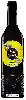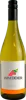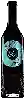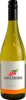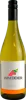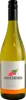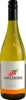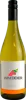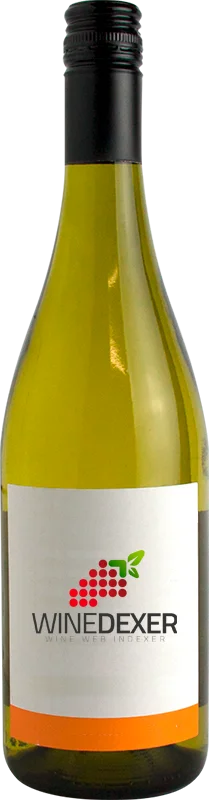
Winery Flor de ChasnaBlanco Semiseco
 White wine
This wine generally goes well with
Details and technical informations about Winery Flor de Chasna's Blanco Semiseco.
Discover the grape variety: Valérien
Valérien blanc is a grape variety that originated in . This grape variety is the result of a cross of the same species (interspecific hybridization). It produces a variety of grape specially used for wine making. It is rare to find this grape to eat on our tables. The white Valerian can be found cultivated in these vineyards: Rhone Valley, Loire Valley, Savoie & Bugey, Beaujolais, Languedoc & Roussillon.
Informations about the Winery Flor de Chasna
The Winery Flor de Chasna is one of of the world's great estates. It offers 13 wines for sale in the of Abona to come and discover on site or to buy online.

The wine region of Abona
The wine region of Abona is located in the region of Iles Canaries of Spain. Wineries and vineyards like the Domaine Flor de Chasna or the Domaine Bodegas Reverón produce mainly wines white, red and pink. The most planted grape varieties in the region of Abona are Tempranillo, Merlot and Ruby-cabernet, they are then used in wines in blends or as a single variety. On the nose of Abona often reveals types of flavors of peach, earth or tree fruit and sometimes also flavors of citrus fruit, tropical fruit or non oak.
The wine region of Iles Canaries
The archipelago of the Canary Islands (or Las Canarias) is an autonomous community of Spain located in the North Atlantic Ocean, 110 km from the west coast of Morocco. The wine trade there is far from famous - few local wines come out of the Canary Islands - but there is a Long and unique wine tradition in the region. The spectacularly high Canary Islands are located at a latitude of about 28°N, making it the most tropical wine region in Europe. It was thanks to this position, once traversed by naval trade routes, that the local wine industry flourished, shortly after the islands came under Spanish control in the early 15th century.
The word of the wine: Presses
The juice that results from pressing the grapes after fermentation. At the end of the maceration, the vats are emptied, the first juice obtained is called the free-run wine and the marc remaining at the bottom of the vat is then pressed to give the press wine. We say more quickly "the presses". Their quality varies according to the vintage and the maceration. A too vigorous extraction releases the tannins of pips and the wine of press can then prove to be very astringent. Often the winemaker raises it separately, deciding later whether or not to incorporate it totally or partially into the grand vin.