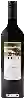
Vignobles FitèreComte des Batailles Corbières
 Red wine
This wine generally goes well with beef, veal or pasta.
Food and wine pairings with Comte des Batailles Corbières
Pairings that work perfectly with Comte des Batailles Corbières



Original food and wine pairings with Comte des Batailles Corbières
The Comte des Batailles Corbières of Vignobles Fitère matches generally quite well with dishes of beef, pasta or veal such as recipes of german recipe for marinated meat: sauerbraten, pasta with basil or roast veal with cider.
Details and technical informations about Vignobles Fitère's Comte des Batailles Corbières.
Discover the grape variety: Terrano
This is a very old grape variety cultivated in particular in the Istria region of Croatia, Slovenia and Italy. It can also be found in the Republic of Macedonia. In France it is almost unknown. It should not be confused with refosco dal peduncolo rosso, it looks somewhat like it, especially since its synonyms are refosco del Carso or refosco d' Istria.
Informations about the Vignobles Fitère
The Vignobles Fitère is one of of the world's great estates. It offers 41 wines for sale in the of Corbières to come and discover on site or to buy online.

The wine region of Corbières
Corbières is an important appellation in the Languedoc-roussillon">Languedoc-Roussillon region of southern France. It is one of the best known and most productive appellations in the Languedoc. The Corbières vineyards produce large quantities of red and rosé wines, as well as a growing number of white wines. The reds are the strongest Part of the appellation; they are reputedly Rich and herbal, made from Grenache, Syrah, Mourvèdre, Lledoner Pelut and Carignan.
The wine region of Languedoc-Roussillon
Languedoc (formerly Coteaux du Languedoc) is a key appellation used in the Languedoc-Roussillon wine region of southern France. It covers Dry table wines of all three colors (red, white and rosé) from the entire region, but leaves Sweet and Sparkling wines to other more specialized appellations. About 75% of all Languedoc wines are red, with the remaining 25% split roughly down the middle between whites and rosés. The appellation covers most of the Languedoc region and almost a third of all the vineyards in France.
The word of the wine: INAO glass
Glass adapted to wine tasting, created in the 1970s by the Institut national des appellations d'origine. At the time, it had the advantage of offering a standardised tool to all tasters. It is characterized by a wide base that allows for good ventilation and a narrow mouth (opening of the glass) to concentrate the aromas. Many high-performance glasses have been created based on this model.