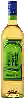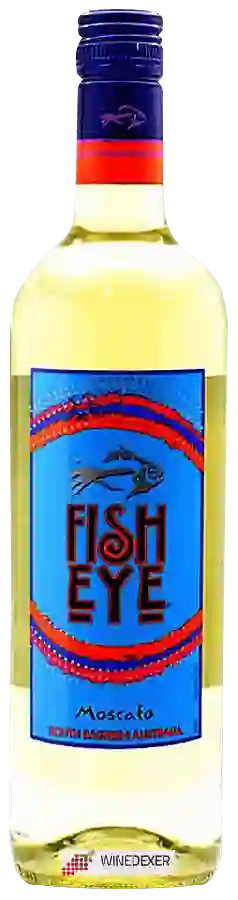
Winery FisheyeMoscato
 White wine



This wine generally goes well with beef, lamb or mature and hard cheese.

Wine flavors and olphactive analysis

On the nose the Moscato of Winery Fisheye in the region of Australie du Sud-Est often reveals types of flavors of earth, tree fruit or tropical fruit.
Food and wine pairings with Moscato
Pairings that work perfectly with Moscato



Original food and wine pairings with Moscato

The Moscato of Winery Fisheye matches generally quite well with dishes of beef, lamb or spicy food such as recipes of flemish beer stew, mansaf, or jordanian lamb (jordan) or royal couscous.
Details and technical informations about Winery Fisheye's Moscato.
Discover the grape variety: Pinotin
Elegant, structured reds with a clear ruby hue, fine tannins and fresh acidity, with refined aromas of red fruits (cherry, raspberry, strawberry), undergrowth, soft spices and floral notes reminiscent of pinot noir. Disease-resistant interspecific variety, a locomotive of northern organic vineyards: Switzerland, Germany, Belgium and the UK. Swiss hybrid created in the 1990s by Valentin Blattner in Soyhières (pinot noir × resistant variety).
Last vintages of this wine
The best vintages of Moscato from Winery Fisheye are 2015, 2014, 2011, 0 and 2012.
Informations about the Winery Fisheye
The Winery Fisheye is one of of the world's greatest estates. It offers 14 wines for sale in the of Australie du Sud-Est to come and discover on site or to buy online.

The wine region of Australie du Sud-Est
Macro blending zone covering the southern half of the country (NSW, Victoria, Tasmania, parts of SA and QLD). Accessible, vintage-consistent brand wines: supple fruity Shiraz (blackberry, sweet spice), round Cabernet Sauvignon, gourmet Merlot, opulent Chardonnay (yellow fruit, vanilla), lively Sauvignon Blanc, lemony Sémillon. Status created for export and major international brands. From aperitif to everyday, an affordable, fruity expression of the Australian style.
The word of the wine: Overmaturation
When the grapes reach maturity, the skin becomes permeable and progressively loses water, which causes a concentration phenomenon inside the berry. This is called over-ripening or passerillage.