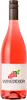
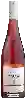
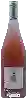
Winery Felix LaquebrouCabernet d'Anjou
 Pink wine
This wine generally goes well with poultry, beef or lamb.

Food and wine pairings with Cabernet d'Anjou
Pairings that work perfectly with Cabernet d'Anjou



Original food and wine pairings with Cabernet d'Anjou

The Cabernet d'Anjou of Winery Felix Laquebrou matches generally quite well with dishes of beef, lamb or spicy food such as recipes of barbecued prime rib with coarse salt, royal couscous (lamb, chicken, merguez) or chicken tagine.
Details and technical informations about Winery Felix Laquebrou's Cabernet d'Anjou.
Discover the grape variety: Cabernet-Sauvignon
Structured, tannic reds, deeply coloured, with aromas of blackcurrant, blackberry, cedar, tobacco and graphite, underpinned by firm acidity and fine ageing potential. Cornerstone of the great Médoc estates (Pauillac, Saint-Estèphe, Saint-Julien) and signature of Napa Valley, Coonawarra and Maipo. The world's most planted red variety, a natural cross of Cabernet Franc x Sauvignon Blanc born in Bordeaux.
Informations about the Winery Felix Laquebrou
The Winery Felix Laquebrou is one of of the world's greatest estates. It offers 7 wines for sale in the of Touraine to come and discover on site or to buy online.

The wine region of Touraine
Signature Sauvignon as king of Touraine whites (~80% of plantings): dry, expressive with notes of citrus, green apple, gooseberry, white flowers, exotic fruit and a touch of boxwood, lively acidity — ideal aperitif. Gamay as a juicy, crunchy red (cherry, raspberry, discreet tannins), more structured Cabernet Franc (bell pepper, raspberry) and dense Côt to complete it. Chenin and Chardonnay among whites. Vast Loire AOC between Blois and Tours, tuffeau and flint.
The wine region of Loire Valley
Kingdom of lively, dry whites and fine sparklers. Mineral, taut Sauvignon Blanc (Sancerre, Pouilly-Fumé) with citrus and gunflint notes. Multiform Chenin Blanc (Vouvray, Savennières, Layon): straight dry, floral off-dry or noble sweet honey-quince. Saline, iodised Muscadet (Melon B.
The word of the wine: Rosé (champagne)
Unique rosé wine made by blending white wine with a small amount of red Champagne. It is however possible to vinify the must directly into rosé.