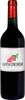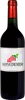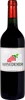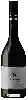
Winery FeketeVálogatás Shiraz
 Red wine



This wine generally goes well with beef, lamb or mature and hard cheese.
Food and wine pairings with Válogatás Shiraz
Pairings that work perfectly with Válogatás Shiraz



Original food and wine pairings with Válogatás Shiraz

The Válogatás Shiraz of Winery Fekete matches generally quite well with dishes of beef, lamb or spicy food such as recipes of fleischnacka leaf, lamb shoulder confit with harissa or risotto milanese.
Details and technical informations about Winery Fekete's Válogatás Shiraz.
Discover the grape variety: Genouillet
The wines produced a long time ago in the Berry region from this grape variety were considered to be the best in the region. Today, Genouillet is in danger of extinction, registered in the Official Catalogue of wine grape varieties, list A1. According to published genetic analyses, it is the result of a natural intraspecific cross between the white gouais and the black tressot.
Last vintages of this wine
The best vintages of Válogatás Shiraz from Winery Fekete are 2016, 0
Informations about the Winery Fekete
The Winery Fekete is one of of the world's greatest estates. It offers 26 wines for sale in the of Tokaj to come and discover on site or to buy online.

The wine region of Tokaj
Tokaj (formerly Tokaj-Hegyalja) has Long been Hungary's most famous and respected wine region, thanks mostly to its nectar-like, botrytized Tokaji dessert wines. The region and its wine are held in such esteem in Hungary that the national anthem thanks God for it: Tokaj szolovesszein nektárt csepegtettél - into the vineyards of Tokaj you dripped Sweet nectar The region is located in the northeast of Hungary, near the border with Slovakia. Comprising roughly 30 small towns and villages, it measures 40 kilometers (25 miles) from southwest to northeast, making it roughly the same Size as Burgundy's Côte d'Or. At its very southern edge is the town of Tokaj from which the region and its wines ultimate take their name.
The word of the wine: Farm
Wine dominated by a strong acidity and/or biting tannins. In this case, the components of the wine need to melt, i.e. to harmonize during the maturation in the cellar.