The Winery Fakin of Istra
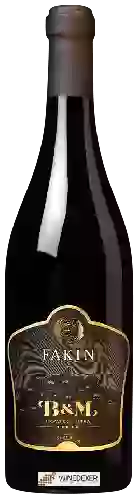
The Winery Fakin is one of the world's great estates. It offers 11 wines for sale in of Istra to come and discover on site or to buy online.

Looking for the best Winery Fakin wines in Istra among all the wines in the region? Check out our tops of the best red, white or effervescent Winery Fakin wines. Also find some food and wine pairings that may be suitable with the wines from this area. Learn more about the region and the Winery Fakin wines with technical and enological descriptions.
How Winery Fakin wines pair with each other generally quite well with dishes such as recipes .
On the nose the red wine of Winery Fakin. often reveals types of flavors of non oak, earth or oak and sometimes also flavors of spices, red fruit or black fruit.
The wine region of Istra of Croatia. Wineries and vineyards like the Domaine Meneghetti or the Domaine Medea produce mainly wines white, red and sweet. The most planted grape varieties in the region of Istra are Terrano, Merlot and Cabernet-Sauvignon, they are then used in wines in blends or as a single variety. On the nose of Istra often reveals types of flavors of pineapple, quince or hay and sometimes also flavors of grass, honeysuckle or truffle.
We currently count 111 estates and châteaux in the of Istra, producing 627 different wines in conventional, organic and biodynamic agriculture. The wines of Istra go well with generally quite well with dishes of beef, lamb or pork.
How Winery Fakin wines pair with each other generally quite well with dishes such as recipes .
On the nose the sparkling wine of Winery Fakin. often reveals types of flavors of earth, vegetal or tree fruit and sometimes also flavors of citrus fruit.
The white Chardonnay is a grape variety that originated in France (Burgundy). It produces a variety of grape specially used for wine making. It is rare to find this grape to eat on our tables. This variety of grape is characterized by small bunches, and small grapes. White Chardonnay can be found in many vineyards: South West, Burgundy, Jura, Languedoc & Roussillon, Cognac, Bordeaux, Beaujolais, Savoie & Bugey, Loire Valley, Champagne, Rhone Valley, Armagnac, Lorraine, Alsace, Provence & Corsica.
How Winery Fakin wines pair with each other generally quite well with dishes of pork, rich fish (salmon, tuna etc) or vegetarian such as recipes of quick beef bourguignon, grilled tuna with mediterranean marinade or quiche with bacon and gruyère cheese.
On the nose the white wine of Winery Fakin. often reveals types of flavors of non oak, earth or microbio and sometimes also flavors of vegetal, tree fruit or citrus fruit.
This fungus, also called noble rot, develops during the over-ripening phase and is an ally of great sweet white wines, when it concentrates the juice of the berries. It requires the humidity of morning fogs and beautiful sunny days, gives musts very rich in sugar and brings to the wines the famous taste of "roasted".
How Winery Fakin wines pair with each other generally quite well with dishes of spicy food or sweet desserts such as recipes of stuffed squid in the sétoise sauce or chocolate fondant.
On the nose the sweet wine of Winery Fakin. often reveals types of flavors of tree fruit.
This is a very old grape variety cultivated in particular in the Istria region of Croatia, Slovenia and Italy. It can also be found in the Republic of Macedonia. In France it is almost unknown. It should not be confused with refosco dal peduncolo rosso, it looks somewhat like it, especially since its synonyms are refosco del Carso or refosco d' Istria.
How Winery Fakin wines pair with each other generally quite well with dishes such as recipes .
On the nose the pink wine of Winery Fakin. often reveals types of flavors of red fruit.
Altered wine characterized by a vinegar smell.
Planning a wine route in the of Istra? Here are the wineries to visit and the winemakers to meet during your trip in search of wines similar to Winery Fakin.
White muscat is a white grape variety of Greek origin. Present in several Mediterranean vineyards, it has several synonyms such as muscat de Die, muscat blanc and frontignac. In France, it occupies a little less than 7,000 ha out of a total of 45,000 ha worldwide. Its young shoots are downy. Its youngest leaves are shiny, bronzed and scabrous. The berries and bunches of this variety are all medium-sized. The flesh of the berries is juicy, sweet and firm. Muscat à petits grains has a second ripening period and buds early in the year. It is moderately vigorous and must be pruned short. It likes poor, stony slopes. This variety is often exposed to spring frosts. It fears mildew, wasps, grape worms, court-noué, grey rot and powdery mildew. Muscat à petits grains is used to make rosé wines and dry white wines. Orange, brown sugar, barley sugar and raisins are the known aromas of these wines.