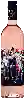
Winery EufloriaAromatic Blend
 White wine



This wine is a blend of 3 varietals which are the Gewurztraminer, the Pinot gris and the Riesling.
This wine generally goes well with pork, vegetarian or poultry.

Wine flavors and olphactive analysis


On the nose the Aromatic Blend of Winery Eufloria in the region of Washington often reveals types of flavors of earth, tree fruit or citrus fruit and sometimes also flavors of floral.
Food and wine pairings with Aromatic Blend
Pairings that work perfectly with Aromatic Blend



Original food and wine pairings with Aromatic Blend



The Aromatic Blend of Winery Eufloria matches generally quite well with dishes of pork, rich fish (salmon, tuna etc) or shellfish such as recipes of alsatian sauerkraut, irish tartiflette or shrimp with cream and fettuccine.
Details and technical informations about Winery Eufloria's Aromatic Blend.
Discover the grape variety: Gewurztraminer
Full-bodied, exotic whites, rich and heady, with moderate acidity, showing opulent aromas of lychee, rose, mango, ginger, pink grapefruit and gentle spice. Made as aromatic dry, moelleux late-harvest and liquorous sélection de grains nobles. Star of Alsace AOC (one of the four noble varieties) and signature of Alto Adige (Tramin), Palatinate and Germany. A pink mutation of Traminer.
Last vintages of this wine
The best vintages of Aromatic Blend from Winery Eufloria are 2013, 0, 2014
Informations about the Winery Eufloria
The Winery Eufloria is one of of the world's greatest estates. It offers 3 wines for sale in the of Washington to come and discover on site or to buy online.

The wine region of Washington
2nd US producer by volume, on the arid, sunny Columbia Valley. Star Cabernet Sauvignon (~60% of reds): powerful and structured with signature notes of blackcurrant, blackberry, cedar, dry herbs and graphite, firm tannins. Fleshy, peppery Syrah (black fruits, smoked meat). Round, fruity Merlot, historic mineral Riesling (dry and off-dry), precise Chardonnay and ample Sémillon.
The word of the wine: Aroma
A pleasant smell that can be primary (or varietal, i.e. characteristic of the grape), secondary (resulting from fermentation) or tertiary (resulting from the aging of the wine in the bottle).