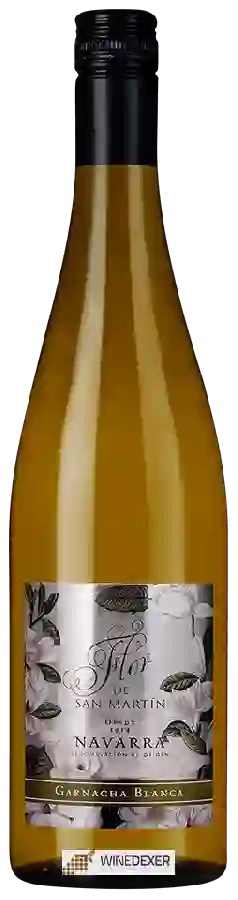
Winery San MartinFlor de San Martin Garnacha Blanca
 White wine



This wine generally goes well with

Wine flavors and olphactive analysis






On the nose the Flor de San Martin Garnacha Blanca of Winery San Martin in the region of Navarre often reveals types of flavors of non oak, earth or microbio and sometimes also flavors of vegetal, oak or tree fruit.
Details and technical informations about Winery San Martin's Flor de San Martin Garnacha Blanca.
Discover the grape variety: Frappato
Light, elegant reds with a clear ruby colour and violet hints, soft tannins and a fresh palate, showing signature aromas of red fruits (cherry, strawberry, raspberry), flowers (violet, rose), soft spices and Mediterranean herbal notes. An airy style to drink young or with short ageing. Star of Cerasuolo di Vittoria DOCG in blends with Nero d'Avola, also made as a single variety. Indigenous Italian variety from south-eastern Sicily (Ragusa province).
Last vintages of this wine
The best vintages of Flor de San Martin Garnacha Blanca from Winery San Martin are 2019, 2018, 0, 2017
Informations about the Winery San Martin
The Winery San Martin is one of of the world's greatest estates. It offers 48 wines for sale in the of Navarre to come and discover on site or to buy online.

The wine region of Navarre
Spanish reference for great Garnacha rosés: raspberry-pink colour, notes of crushed strawberry, cherry, citrus and white flowers, dry and gourmet palate. The emblematic grape (~70% of reds in the past), also in supple, sun-filled reds. Tempranillo on the rise in modern blends, fine spicy Graciano, Cabernet and Merlot. Fresh Chardonnay and Viura whites.
The word of the wine: Pruine
A thin, fluffy film that covers the surface of the grape. It makes the berry impermeable and contains the indigenous yeasts necessary for the fermentation of the must.


