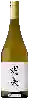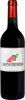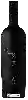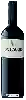
Bodegas La CatedralViña Abelenda Tinto
 Red wine



In the mouth this red wine is a powerful with a nice balance between acidity and tannins.
This wine generally goes well with poultry, beef or veal.

Taste structure of the Viña Abelenda Tinto from the Bodegas La Catedral
Light | Bold | |
Smooth | Tannic | |
Dry | Sweet | |
Soft | Acidic |
In the mouth the Viña Abelenda Tinto of Bodegas La Catedral in the region of Rioja is a powerful with a nice balance between acidity and tannins.
Food and wine pairings with Viña Abelenda Tinto
Pairings that work perfectly with Viña Abelenda Tinto



Original food and wine pairings with Viña Abelenda Tinto

The Viña Abelenda Tinto of Bodegas La Catedral matches generally quite well with dishes of beef, lamb or veal such as recipes of roast pork with pineapple, leg with a spoon or seven o'clock leg or orloff roast.
Details and technical informations about Bodegas La Catedral's Viña Abelenda Tinto.
Discover the grape variety: Chambourcin
Richly coloured and fruity reds with a purple colour and supple tannins, on aromas of black cherry, blackberry, blackcurrant, spices and herbal notes. Round palate, fresh finish, best drunk young. A disease-resistant hybrid, it produces organic and sustainable reds in the Loire Valley (IGP Atlantique, IGP Val de Loire), the United States (Pennsylvania, Missouri, Virginia) and Australia (New South Wales). French hybrid created in 1963 by Joannès Seyve.
Last vintages of this wine
The best vintages of Viña Abelenda Tinto from Bodegas La Catedral are 0
Informations about the Bodegas La Catedral
The Bodegas La Catedral is one of of the world's great estates. It offers 30 wines for sale in the of Rioja to come and discover on site or to buy online.

The wine region of Rioja
Star of great Spanish reds: signature Tempranillo, elegant and complex, with notes of ripe cherry, plum, leather, vanilla and tobacco from American oak ageing. Classification by age: fruity Joven, balanced Crianza, ample Reserva, deep, silky Gran Reserva (5 years, 2 in barrel). Some fresh Viura whites and generous rosés. Spain's first DOCa (1991), 3 sub-zones (Alta, Alavesa, Oriental), 93.
The word of the wine: Muscat blanc à petits grains
A white grape variety cultivated since antiquity on the shores of the Mediterranean, it is considered the noblest of the muscats. It is mainly used to make sweet wines, often from mutage. In France, it is the sole variety used in many natural sweet wines: muscat-de-frontignan, muscat-de-mireval, muscat-de-lunel, muscat-de-saint-jean-de-minervois, muscat-de-beaumes-de-venise, muscat-du-cap-corse. Combined with Muscat d'Alexandrie, it gives Muscat-de-Rivesaltes. It is also used to make sparkling white wines (clairette-de-die; moscato d'asti and asti spumante in Italy) and dry wines (alsace-muscat). Powerfully aromatic and complex, its wines evoke fresh grapes, roses, exotic fruits, citrus fruits and spices.