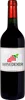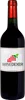
Winery EnviteTinto
 Red wine


In the mouth this red wine is a powerful with a lot of tannins present in the mouth.
This wine generally goes well with poultry, beef or veal.
Taste structure of the Tinto from the Winery Envite
Light | Bold | |
Smooth | Tannic | |
Dry | Sweet | |
Soft | Acidic |
In the mouth the Tinto of Winery Envite in the region of Rioja is a powerful with a lot of tannins present in the mouth.
Food and wine pairings with Tinto
Pairings that work perfectly with Tinto



Original food and wine pairings with Tinto

The Tinto of Winery Envite matches generally quite well with dishes of beef, lamb or veal such as recipes of ramen burger, shoulder of lamb with a spoon or moroccan style veal brochette.
Details and technical informations about Winery Envite's Tinto.
Discover the grape variety: Fleurtai
Interspecific cross between Sauvignonasse and Kozma 20-3 obtained in 2002 at the University and Institute of Applied Genetics of Udine (Italy), which is also the case for Soreli.
Last vintages of this wine
The best vintages of Tinto from Winery Envite are 0
Informations about the Winery Envite
The Winery Envite is one of of the world's greatest estates. It offers 9 wines for sale in the of Rioja to come and discover on site or to buy online.

The wine region of Rioja
Rioja, in northern Spain, is best known for its berry-flavored, barrel-aged red wines made from Tempranillo and Garnacha. It is probably the leading wine region in Spain. It is certainly the most famous, rivaling only Jerez. The Vineyards follow the course of the Ebro for a hundred kilometres between the towns of Haro and Alfaro.
The word of the wine: Melchior
Bottle with a capacity of 18 litres.