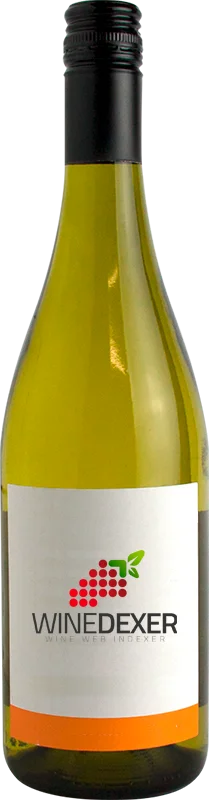
Winery Emile ChandesaisMeursault
 White wine



In the mouth this white wine is a .
This wine generally goes well with vegetarian, cured meat or pasta.
Taste structure of the Meursault from the Winery Emile Chandesais
Light | Bold | |
Dry | Sweet | |
Soft | Acidic |
In the mouth the Meursault of Winery Emile Chandesais in the region of Burgundy is a .
Food and wine pairings with Meursault
Pairings that work perfectly with Meursault



Original food and wine pairings with Meursault
The Meursault of Winery Emile Chandesais matches generally quite well with dishes of pasta, vegetarian or cured meat such as recipes of pasta stuffed with meat, magic cake cheese quiche or homemade marengo veal.
Details and technical informations about Winery Emile Chandesais's Meursault.
Discover the grape variety: Ancellotta
A very old grape variety that has been cultivated for a long time in the northern and central parts of Italy. It can also be found in Switzerland, Spain, Eastern Europe, Brazil, Argentina, ... little known in France.
Informations about the Winery Emile Chandesais
The Winery Emile Chandesais is one of of the world's great estates. It offers 58 wines for sale in the of Meursault to come and discover on site or to buy online.

The wine region of Meursault
The wine region of Meursault is located in the region of Côte de Beaune of Burgundy of France. Wineries and vineyards like the Domaine Coche-Dury or the Domaine d'Auvenay (Lalou Bize Leroy) produce mainly wines white and red. The most planted grape varieties in the region of Meursault are Chardonnay et Pinot noir, they are then used in wines in blends or as a single variety. On the nose of Meursault often reveals types of flavors of pineapple, banana or toasted almonds and sometimes also flavors of baked apple, elderflower or orange.
The wine region of Burgundy
Bourgogne is the catch-all regional appellation title of the Burgundy wine region in eastern France ("Bourgogne" is the French name for Burgundy). Burgundy has a Complex and comprehensive appellation system; counting Premier Cru and Grand Cru titles, the region has over 700 appellation titles for its wines. Thus, Burgundy wines often come from one Vineyard (or several separate vineyards) without an appellation title specific to the region, Village or even vineyard. A standard Burgundy wine may be made from grapes grown in one or more of Burgundy's 300 communes.
The word of the wine: Musky
Said of an odor reminiscent of musk.