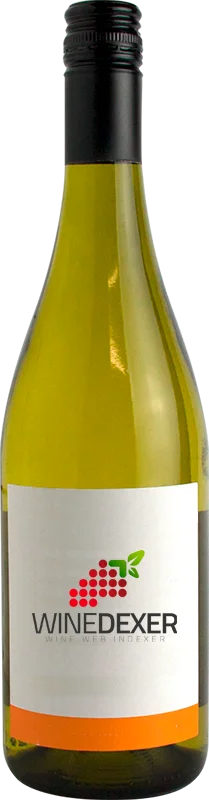
Winery Edgard SchallerCuvée Charles Muscat
 White wine



This wine generally goes well with spicy food and sweet desserts.

Food and wine pairings with Cuvée Charles Muscat
Pairings that work perfectly with Cuvée Charles Muscat


Original food and wine pairings with Cuvée Charles Muscat
The Cuvée Charles Muscat of Winery Edgard Schaller matches generally quite well with dishes of spicy food or sweet desserts such as recipes of monkfish armorican style or ultra-fast and yet so light....
Details and technical informations about Winery Edgard Schaller's Cuvée Charles Muscat.
Discover the grape variety: Babic
Powerful, structured reds with an ink-dark robe, firm tannins and a dense, sun-drenched palate of intense ripe blackfruit (blackberry, black cherry), plum, Mediterranean herbs, garrigue, spices and balsamic notes. Fine ageing potential. Star of great Dalmatian coast reds, mainly around Primošten, Šibenik and Skradin on karst soils. Native Croatian grape of Dalmatia, identity signature of the Adriatic littoral.
Informations about the Winery Edgard Schaller
The Winery Edgard Schaller is one of of the world's great estates. It offers 19 wines for sale in the of Alsace to come and discover on site or to buy online.

The wine region of Alsace
Capital of great French aromatic whites, most often dry and single-varietal. Straight, mineral Riesling (lemon, gunflint), opulent, exuberant Gewurztraminer (lychee, rose, spices), round, smoky Pinot Gris, floral, crisp Muscat, supple Pinot Blanc. Fine, fruity Crémants d'Alsace, exceptional sweet Vendanges Tardives and Sélection de Grains Nobles. 15,500 ha at the foot of the Vosges on varied soils, 51 Grands Crus since 1975.
The word of the wine: Marc
Solid part resulting from the pressing of the grape (stalks, pips, skins).