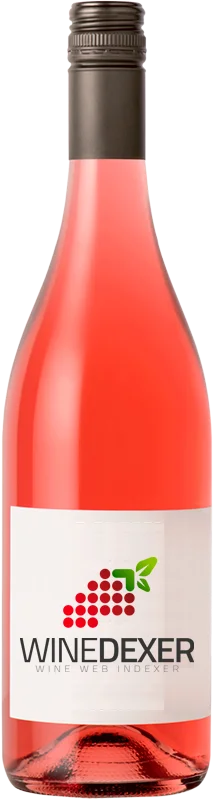
Winery EarthshakerRosé de Pinot Noir
 Pink wine



This wine generally goes well with pork, poultry or veal.

Food and wine pairings with Rosé de Pinot Noir
Pairings that work perfectly with Rosé de Pinot Noir



Original food and wine pairings with Rosé de Pinot Noir


The Rosé de Pinot Noir of Winery Earthshaker matches generally quite well with dishes of veal, pork or game (deer, venison) such as recipes of veal tagine with potatoes and olives, home-made white pudding or duck confit (canned).
Details and technical informations about Winery Earthshaker's Rosé de Pinot Noir.
Discover the grape variety: Pinot noir
Elegant reds, light in colour with silky tannins, showing strawberry, cherry and raspberry aromas, evolving to forest floor, mushroom and spice with age. Fresh acidity, delicate finish. Star of the Côte d'Or (Romanée-Conti, Chambertin, Volnay), pillar of Champagne (Blanc de Noirs) and signature of Oregon, Central Otago and Sonoma Coast. An early-ripening Burgundian variety, one of the world's greatest.
Last vintages of this wine
The best vintages of Rosé de Pinot Noir from Winery Earthshaker are 2015, 0
Informations about the Winery Earthshaker
The Winery Earthshaker is one of of the world's greatest estates. It offers 8 wines for sale in the of Coteaux du Giennois to come and discover on site or to buy online.

The wine region of Coteaux du Giennois
Central Loire AOC from Gien to Cosne-sur-Loire, clay-limestone and siliceous slopes on right bank, semi-continental climate. Sauvignon Blanc signature white king: bright and taut with citrus, grapefruit, green apple, boxwood, white flowers and mineral touch — fresh and precise, close to neighbouring Sancerre. Reds and rosés in mandatory Gamay-Pinot Noir blend: easy-drinking and fruity (cherry, raspberry, strawberry), fine tannins. Viticulture attested from the 6th century.
The wine region of Loire Valley
Kingdom of lively, dry whites and fine sparklers. Mineral, taut Sauvignon Blanc (Sancerre, Pouilly-Fumé) with citrus and gunflint notes. Multiform Chenin Blanc (Vouvray, Savennières, Layon): straight dry, floral off-dry or noble sweet honey-quince. Saline, iodised Muscadet (Melon B.
The word of the wine: Tiled
Said of the colour of an evolved wine that has taken on brick and orange hues.