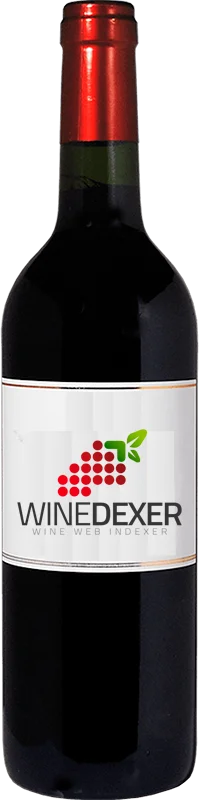
Winery DuriganRéserva Para Amigos Especials
 Red wine


In the mouth this red wine is a powerful with a nice balance between acidity and tannins.
This wine generally goes well with poultry, beef or lamb.

Taste structure of the Réserva Para Amigos Especials from the Winery Durigan
Light | Bold | |
Smooth | Tannic | |
Dry | Sweet | |
Soft | Acidic |
In the mouth the Réserva Para Amigos Especials of Winery Durigan in the region of Rio Grande do Sul is a powerful with a nice balance between acidity and tannins.
Food and wine pairings with Réserva Para Amigos Especials
Pairings that work perfectly with Réserva Para Amigos Especials



Original food and wine pairings with Réserva Para Amigos Especials
The Réserva Para Amigos Especials of Winery Durigan matches generally quite well with dishes of beef, lamb or poultry such as recipes of beef tongue in hot pickle sauce, dad's lamb mouse or potato and bacon omelette.
Details and technical informations about Winery Durigan's Réserva Para Amigos Especials.
Discover the grape variety: Cabernet-Sauvignon
Structured, tannic reds, deeply coloured, with aromas of blackcurrant, blackberry, cedar, tobacco and graphite, underpinned by firm acidity and fine ageing potential. Cornerstone of the great Médoc estates (Pauillac, Saint-Estèphe, Saint-Julien) and signature of Napa Valley, Coonawarra and Maipo. The world's most planted red variety, a natural cross of Cabernet Franc x Sauvignon Blanc born in Bordeaux.
Last vintages of this wine

The best vintages of Réserva Para Amigos Especials from Winery Durigan are 0, 2012
Informations about the Winery Durigan
The Winery Durigan is one of of the world's great estates. It offers 21 wines for sale in the of Rio Grande do Sul to come and discover on site or to buy online.

The wine region of Rio Grande do Sul
Brazil's winemaking heart (~80% of production), Italian tradition. Recognised specialty: traditional-method sparkling wines (espumantes), fresh and fruity, based on Chardonnay and Pinot Noir, among South America's finest. Accessible reds: supple, fruity Merlot (plum, cherry), fleshy Cabernet Sauvignon, dense, tannic Tannat. Round Chardonnay, light Riesling Italico, sweet, floral Moscato whites.
The word of the wine: Yeast
Micro-organisms at the base of all fermentative processes. A wide variety of yeasts live and thrive naturally in the vineyard, provided that treatments do not destroy them. Unfortunately, their replacement by laboratory-selected yeasts is often the order of the day and contributes to the standardization of the wine. Yeasts are indeed involved in the development of certain aromas.