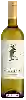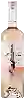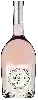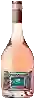
Winery Duc de la ForétCinsault Rosé
 Pink wine



In the mouth this pink wine is a with a nice freshness.
This wine generally goes well with vegetarian, appetizers and snacks or lean fish.

Taste structure of the Cinsault Rosé from the Winery Duc de la Forét
Light | Bold | |
Dry | Sweet | |
Soft | Acidic |
In the mouth the Cinsault Rosé of Winery Duc de la Forét in the region of Pays d'Oc is a with a nice freshness.
Food and wine pairings with Cinsault Rosé
Pairings that work perfectly with Cinsault Rosé



Original food and wine pairings with Cinsault Rosé


The Cinsault Rosé of Winery Duc de la Forét matches generally quite well with dishes of pasta, vegetarian or appetizers and snacks such as recipes of pasta with tuna, zucchini quiche or tapenade with green olives.
Details and technical informations about Winery Duc de la Forét's Cinsault Rosé.
Discover the grape variety: Muskat Moravsky
Aromatic dry and off-dry muscat whites with a pale golden robe, a lively and perfumed palate with preserved acidity, showing intense muscat signature aromas (fresh grape, rose), white flowers (elderflower), citrus and white-fleshed fruits. Early-ripening refreshing Central European profile. Features in Moravian wine identity, grown in the Czech Republic, Slovakia and Hungary. Czech and Moravian white grape obtained by crossing, early-ripening and aromatic.
Informations about the Winery Duc de la Forét
The Winery Duc de la Forét is one of of the world's greatest estates. It offers 8 wines for sale in the of Pays d'Oc to come and discover on site or to buy online.

The wine region of Pays d'Oc
The single-grape IGP par excellence: modern, accessible, frank and fruity wines, the popular signature of the Midi. Spicy Syrah reds (pepper, blackberry), round Merlot, structured Cabernet, generous Grenache, supple Cinsault. Crisp, tangy rosés. Opulent Chardonnay whites, lively Sauvignon, floral, apricoty Viognier.
The word of the wine: Flow
Action consisting of draining the wine from a vat of red wine (free-run wine), the marc then being pressed to obtain the press wine.