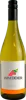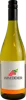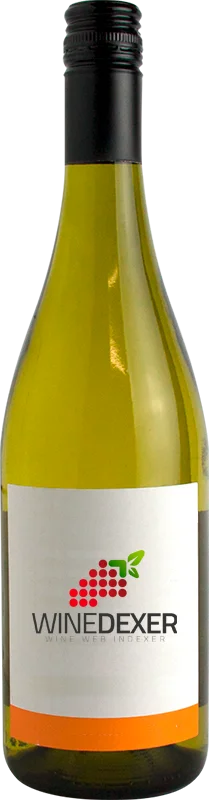
Winery Dubovský & GrančičPalava
 White wine



This wine generally goes well with
The Palava of the Winery Dubovský & Grančič is in the top 70 of wines of Južnoslovenská.
Wine flavors and olphactive analysis

Details and technical informations about Winery Dubovský & Grančič's Palava.
Discover the grape variety: Manseng noir
Manseng noir is a grape variety from the western Pyrenees, close to tannat, a famous grape variety from southwest France. It is also called mansein, mansec or mancep in the Lot. It has been around since the 13th century and has given rise to Petit Manseng and Gros Manseng, two varieties of the same family but with quite different characteristics. Manseng noir remains essential for the AOC Béarn, where it is grown on about ten hectares. However, Manseng noir is a vigorous, productive and disease-resistant grape variety. It gives wines with a colourful robe, powerful, with aromas of black fruits and mushrooms, quite fine and with an interesting ageing potential.
Last vintages of this wine
The best vintages of Palava from Winery Dubovský & Grančič are 0
Informations about the Winery Dubovský & Grančič
The Winery Dubovský & Grančič is one of of the world's greatest estates. It offers 33 wines for sale in the of Južnoslovenská to come and discover on site or to buy online.

The wine region of Južnoslovenská
The wine region of Južnoslovenská of Slovak Republic. Wineries and vineyards like the Chateau Belá or the Domaine Strekov 1075 produce mainly wines white, red and pink. The most planted grape varieties in the region of Južnoslovenská are Cabernet-Sauvignon, Riesling and Pinot gris, they are then used in wines in blends or as a single variety. On the nose of Južnoslovenská often reveals types of flavors of grapefruit, slate or oil and sometimes also flavors of non oak, earth or microbio.
The word of the wine: Drawing (liqueur de)
In champagne and sparkling wines of traditional method, addition to the wine, at the time of bottling (tirage) of sugars and yeasts dissolved in wine. These components will provoke the second fermentation in the bottle leading to the formation of carbon dioxide bubbles.