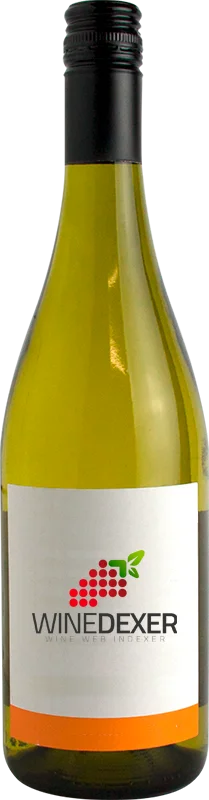
La Cave du CoudrayRéserve du Chiron Sauvignon
 White wine
This wine generally goes well with vegetarian, rich fish (salmon, tuna etc) or shellfish.

Food and wine pairings with Réserve du Chiron Sauvignon
Pairings that work perfectly with Réserve du Chiron Sauvignon



Original food and wine pairings with Réserve du Chiron Sauvignon
The Réserve du Chiron Sauvignon of La Cave du Coudray matches generally quite well with dishes of rich fish (salmon, tuna etc), shellfish or vegetarian such as recipes of fresh salmon risotto, shrimp with garlic and orange or salmon and goat cheese quiche.
Details and technical informations about La Cave du Coudray's Réserve du Chiron Sauvignon.
Discover the grape variety: Bouillet
Simple, supple and fruity reds with a clear ruby colour, soft tannins and an airy palate with moderate acidity, showing understated aromas of red fruits. Discreet, rustic profile. Almost disappeared from commercial cultivation, preserved in INRAE varietal collections, it bears witness to the pre-phylloxera ampelographic diversity of the South-West and is among the heritage varieties being studied. Rare French black variety, formerly grown in the South-West.
Informations about the La Cave du Coudray
The La Cave du Coudray is one of of the world's greatest estates. It offers 5 wines for sale in the of Loire Valley to come and discover on site or to buy online.

The wine region of Loire Valley
Kingdom of lively, dry whites and fine sparklers. Mineral, taut Sauvignon Blanc (Sancerre, Pouilly-Fumé) with citrus and gunflint notes. Multiform Chenin Blanc (Vouvray, Savennières, Layon): straight dry, floral off-dry or noble sweet honey-quince. Saline, iodised Muscadet (Melon B.
The word of the wine: Oenophile
A person who is interested in the world of wine and more particularly in wine tasting.