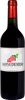
Winery DragonridgeShiraz
 Red wine
In the mouth this red wine is a powerful with a nice balance between acidity and tannins.
This wine generally goes well with poultry, beef or game (deer, venison).

Taste structure of the Shiraz from the Winery Dragonridge
Light | Bold | |
Smooth | Tannic | |
Dry | Sweet | |
Soft | Acidic |
In the mouth the Shiraz of Winery Dragonridge in the region of Western Cape is a powerful with a nice balance between acidity and tannins.
Food and wine pairings with Shiraz
Pairings that work perfectly with Shiraz



Original food and wine pairings with Shiraz

The Shiraz of Winery Dragonridge matches generally quite well with dishes of beef, lamb or game (deer, venison) such as recipes of autumn leaves, sauté of lamb or saddle of hare jura style.
Details and technical informations about Winery Dragonridge's Shiraz.
Discover the grape variety: Gros vert
Simple and fresh dry whites, pale golden colour, supple mouth with moderate acidity, with understated aromas of citrus and white flowers. Discreet rustic profile. Almost extinct, preserved in INRAE varietal collections. Testifies to pre-phylloxera ampelographic diversity in the South-West. Rare French white grape formerly grown in the South-West.
Informations about the Winery Dragonridge
The Winery Dragonridge is one of of the world's greatest estates. It offers 14 wines for sale in the of Western Cape to come and discover on site or to buy online.

The wine region of Western Cape
Cradle of South African wine. Signature Chenin Blanc (Steen, 20%) in ample, fresh whites with notes of quince, yellow apple, honey and acacia flower, from crisp dry to sweet. Sharp, iodised Sauvignon Blanc (Walker Bay, Constantia), balanced Chardonnay. Reds: emblematic Pinotage with roasted aromas (coffee, plum, smoke), firm Cabernet Sauvignon, spicy Syrah.
The word of the wine: Serious
A Bordeaux term for small pebbles from the Pyrenees, eroded, rounded and transported by the Garonne to Aquitaine. They are mainly found on the left bank in the area.... known as the Graves, and further downstream in the Médoc. By extension, gravel is found in other regions, brought by other rivers or even glaciers.