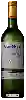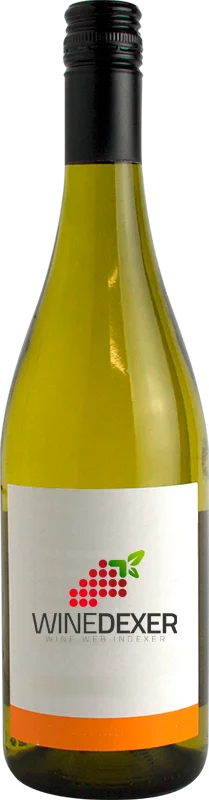
Winery DourtheGrands Terroirs Bordeaux Medium Dry
 White wine


In the mouth this white wine is a powerful.
This wine generally goes well with pork, vegetarian or poultry.

Taste structure of the Grands Terroirs Bordeaux Medium Dry from the Winery Dourthe
Light | Bold | |
Dry | Sweet | |
Soft | Acidic |
In the mouth the Grands Terroirs Bordeaux Medium Dry of Winery Dourthe in the region of Bordeaux is a powerful.
Food and wine pairings with Grands Terroirs Bordeaux Medium Dry
Pairings that work perfectly with Grands Terroirs Bordeaux Medium Dry



Original food and wine pairings with Grands Terroirs Bordeaux Medium Dry


The Grands Terroirs Bordeaux Medium Dry of Winery Dourthe matches generally quite well with dishes of pork, vegetarian or poultry such as recipes of ham and cheese macaroni gratin, magic cake cheese quiche or home-made coq au vin.
Details and technical informations about Winery Dourthe's Grands Terroirs Bordeaux Medium Dry.
Discover the grape variety: Romorantin
Dry, vivid and structured whites with a golden robe, taut mouthfeel and sharp acidity, with aromas of citrus (lemon, grapefruit), apple, pear, white flowers, honey and pronounced chalky mineral notes. Good ageing potential, gaining wax and dried fruit notes with age. Near-exclusive star of Cour-Cheverny AOC in the Sologne. Very rare autochthonous Loire variety, introduced to the Loire valley by François I in 1519 according to tradition.
Last vintages of this wine
The best vintages of Grands Terroirs Bordeaux Medium Dry from Winery Dourthe are 2017
Informations about the Winery Dourthe
The Winery Dourthe is one of of the world's great estates. It offers 55 wines for sale in the of Bordeaux to come and discover on site or to buy online.

The wine region of Bordeaux
World-renowned age-worthy reds, led by round Merlot (plum, black fruit) or firm Cabernet Sauvignon (blackcurrant, cedar, graphite), blended with Cabernet Franc and Petit Verdot for tannic structure. Structured Médoc and Graves, velvety Saint-Émilion and Pomerol. Also crisp dry whites (Sauvignon/Sémillon) and opulent sweet Sauternes with honey and candied fruit. A 110,000 ha Gironde vineyard, 65 appellations, cradle of the 1855 classified growths.
The word of the wine: Chaptalization
The addition of sugar at the time of fermentation of the must, an ancient practice, but theorized by Jean-Antoine Chaptal at the dawn of the 19th century. The sugar is transformed into alcohol and allows the natural degree of the wine to be raised in a weak or cold year, or - more questionably - when the winegrower has a harvest that is too large to obtain good maturity.