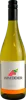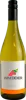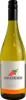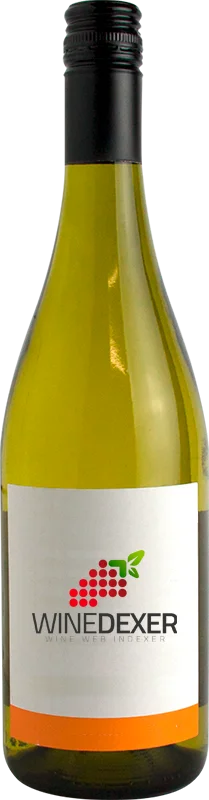
Winery Dona NizaCrato Branco
 White wine


In the mouth this white wine is a powerful.
This wine generally goes well with pork, lean fish or shellfish.

Taste structure of the Crato Branco from the Winery Dona Niza
Light | Bold | |
Dry | Sweet | |
Soft | Acidic |
In the mouth the Crato Branco of Winery Dona Niza in the region of Algarve is a powerful.
Food and wine pairings with Crato Branco
Pairings that work perfectly with Crato Branco



Original food and wine pairings with Crato Branco

The Crato Branco of Winery Dona Niza matches generally quite well with dishes of pasta, pork or shellfish such as recipes of rigatoni with courgettes and tomatoes, north welsch or scallops in coral sauce.
Details and technical informations about Winery Dona Niza's Crato Branco.
Discover the grape variety: Grand noir de la C
Intensely coloured and simple reds, opaque purple colour (red pulp), supple tannins and light mouth with moderate acidity, with discreet red fruit aromas. Teinturier profile. Once widely planted in the Midi to deepen the colour of southern blends, today marginal but still found in Languedoc. French teinturier black grape (Grand Noir de la Calmette), bred in 1855 (Aramon x Petit Bouschet).
Last vintages of this wine
The best vintages of Crato Branco from Winery Dona Niza are 2018, 0
Informations about the Winery Dona Niza
The Winery Dona Niza is one of of the world's greatest estates. It offers 2 wines for sale in the of Algarve to come and discover on site or to buy online.

The wine region of Algarve
Region of southernmost Portugal between Atlantic and serra, ~3,000 hours of sun/year. Negra Mole as a native red signature (~75%): light and accessible with signature notes of red cherry, raspberry, ripe plum, Mediterranean herbs and a spicy touch, fine tannins — easy-drinking southern style. Supple Castelao, spicy Trincadeira, dense Touriga Nacional, sunny Syrah. Whites Siria, Malvasia Fina (yellow fruits, flowers), taut Arinto.
The word of the wine: Pagan
See savagnin.