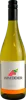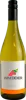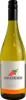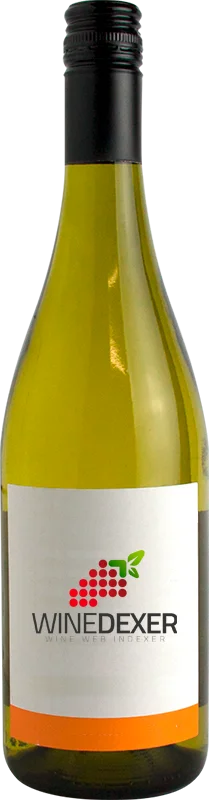
Winery Dona NizaArinto
 White wine



In the mouth this white wine is a .
This wine generally goes well with pork, lean fish or shellfish.

Taste structure of the Arinto from the Winery Dona Niza
Light | Bold | |
Dry | Sweet | |
Soft | Acidic |
In the mouth the Arinto of Winery Dona Niza in the region of Algarve is a .
Food and wine pairings with Arinto
Pairings that work perfectly with Arinto



Original food and wine pairings with Arinto

The Arinto of Winery Dona Niza matches generally quite well with dishes of pasta, pork or shellfish such as recipes of pasta with ham, rabbit socks in gibelotte or mi sao.
Details and technical informations about Winery Dona Niza's Arinto.
Discover the grape variety: Hibou noir
Light and simply fruity reds with a pale ruby colour, silky tannins and an airy palate with moderate acidity, featuring undemonstrative red fruit aromas. Discreet rustic profile. Almost extinct, preserved in INRAE varietal collections, it bears witness to the pre-phylloxera ampelographic diversity of the South-West and is among the heritage grape varieties under study. Rare French black grape, once grown in the South-West.
Last vintages of this wine
The best vintages of Arinto from Winery Dona Niza are 0
Informations about the Winery Dona Niza
The Winery Dona Niza is one of of the world's greatest estates. It offers 2 wines for sale in the of Algarve to come and discover on site or to buy online.

The wine region of Algarve
Region of southernmost Portugal between Atlantic and serra, ~3,000 hours of sun/year. Negra Mole as a native red signature (~75%): light and accessible with signature notes of red cherry, raspberry, ripe plum, Mediterranean herbs and a spicy touch, fine tannins — easy-drinking southern style. Supple Castelao, spicy Trincadeira, dense Touriga Nacional, sunny Syrah. Whites Siria, Malvasia Fina (yellow fruits, flowers), taut Arinto.
The word of the wine: Free-run wine
The free-run wine is the wine that flows out of the vat by gravity at the time of running off. The marc soaked in wine is then pressed to extract a rich and tannic wine. Free-run wine and press wine are then aged separately and eventually blended by the winemaker in proportions defined according to the type of wine being made.