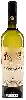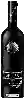
Winery Domeniile BlagaCuvée XII Merlot
 Red wine



This wine generally goes well with beef and game (deer, venison).

Food and wine pairings with Cuvée XII Merlot
Pairings that work perfectly with Cuvée XII Merlot


Original food and wine pairings with Cuvée XII Merlot
The Cuvée XII Merlot of Winery Domeniile Blaga matches generally quite well with dishes of beef or game (deer, venison) such as recipes of pork tongue with tomato sauce and pickles or duck casserole with turnips.
Details and technical informations about Winery Domeniile Blaga's Cuvée XII Merlot.
Discover the grape variety: Merlot
Round and fleshy reds with a velvety texture, showing aromas of ripe plum, black cherry, cocoa and truffle notes with age. Supple tannins, generous alcohol, indulgent finish. Pillar of Libournais (Pomerol with Pétrus, Saint-Émilion with Cheval Blanc and Ausone) and signature of Super Tuscans, Italian Wales and Washington State. A cross of Cabernet Franc × Magdeleine Noire, France's most planted red variety.
Last vintages of this wine
The best vintages of Cuvée XII Merlot from Winery Domeniile Blaga are 0, 2011
Informations about the Winery Domeniile Blaga
The Winery Domeniile Blaga is one of of the world's greatest estates. It offers 26 wines for sale in the of Dealu Mare to come and discover on site or to buy online.

The wine region of Dealu Mare
Romania's most compact wine massif, south of the Carpathians on the 45th parallel (like Bordeaux). Signature Feteasca Neagra in red: a dense, structured Romanian native with signature notes of ripe plum, blackberry, violet, leather, tobacco and sweet spice, round tannins — a national identity. Also Bordeaux blends (firm Cabernet Sauvignon, supple Merlot) and fresh Pinot Noir. Peppery Syrah booming.
The word of the wine: Solera
A method of maturing practiced in Andalusia for certain sherries, which aims to continuously blend older and younger wines. It consists of stacking several layers of barrels; those located at ground level (solera) contain the oldest wines, the youngest being stored in the barrels on the upper level. The wine to be bottled is taken from the barrels on the lower level, which is replaced by younger wine from the upper level, and so on.