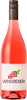
Domaine TouchaisRosé d'Anjou
 Pink wine



This wine generally goes well with

Details and technical informations about Domaine Touchais's Rosé d'Anjou.
Discover the grape variety: Huxelrebe
Aromatic, muscaty whites with a golden robe, ample body, moderate acidity and signature notes of muscat, elderflower, exotic fruits and honey. Star of Spätlese, Auslese and botrytised Trockenbeerenauslese. Grown in Rhineland, England and Czechia for sweet and luscious whites; achieves noble rot reliably. White grape bred in 1927 by Georg Scheu in Alzey (chasselas × courtillier musqué).
Last vintages of this wine
The best vintages of Rosé d'Anjou from Domaine Touchais are 2016, 2014
Informations about the Domaine Touchais
The Domaine Touchais is one of of the world's greatest estates. It offers 16 wines for sale in the of Rosé d'Anjou to come and discover on site or to buy online.

The wine region of Rosé d'Anjou
Iconic tender rosé from the south bank of the Anjou Loire: signature dominant Grolleau blended with Cabernet Franc, Cabernet Sauvignon, Gamay, Côt and Pineau d'Aunis — friendly off-dry rosés with vibrant aromas of strawberry, raspberry, redcurrant, violet and English candy touches. Robe from pale to intense pink, tender perfumed palate balancing roundness and freshness. Direct pressing or short maceration preserves finesse. Accessible quaffable everyday summer AOC.
The wine region of Loire Valley
Kingdom of lively, dry whites and fine sparklers. Mineral, taut Sauvignon Blanc (Sancerre, Pouilly-Fumé) with citrus and gunflint notes. Multiform Chenin Blanc (Vouvray, Savennières, Layon): straight dry, floral off-dry or noble sweet honey-quince. Saline, iodised Muscadet (Melon B.
The word of the wine: Disorder
Said of a wine that is not clear due to the presence of colloidal suspensions that prevent the passage of light.