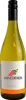
Winery TorosCollio Pinot Grigio
 White wine



In the mouth this white wine is a .
This wine generally goes well with vegetarian, shellfish or mushrooms.

Taste structure of the Collio Pinot Grigio from the Winery Toros
Light | Bold | |
Dry | Sweet | |
Soft | Acidic |
In the mouth the Collio Pinot Grigio of Winery Toros in the region of Friuli-Venezia Giulia is a .
Wine flavors and olphactive analysis

Food and wine pairings with Collio Pinot Grigio
Pairings that work perfectly with Collio Pinot Grigio


Original food and wine pairings with Collio Pinot Grigio

The Collio Pinot Grigio of Winery Toros matches generally quite well with dishes of shellfish, vegetarian or mushrooms such as recipes of carri of shrimps with chillies, tuna, pepper and tomato quiche or buckwheat fritters with olives and mushrooms.
Details and technical informations about Winery Toros's Collio Pinot Grigio.
Discover the grape variety: Robin noir
Light, simple reds with a pale ruby robe, soft tannins and an airy palate, with modest red fruit aromas. Discreet rustic profile. Almost extinct, preserved in INRAE varietal collections for its heritage value; bears witness to the pre-phylloxera ampelographic diversity of French vineyards. Rare French black grape, once grown in the centre-east.
Last vintages of this wine
The best vintages of Collio Pinot Grigio from Winery Toros are 0
Informations about the Winery Toros
The Winery Toros is one of of the world's greatest estates. It offers 5 wines for sale in the of Friuli-Venezia Giulia to come and discover on site or to buy online.

The wine region of Friuli-Venezia Giulia
Italian benchmark of great whites of elegance and minerality. Emblematic Friulano with notes of fresh almond, pear and white flowers, taut Ribolla Gialla, precise Pinot Grigio, lively Sauvignon and balanced Chardonnay. Rare sweet Picolit (DOCG), saline Malvasia Istriana. Rising reds: fruity spicy Refosco, more tannic Pignolo and Schioppettino.
The word of the wine: Passerillage
Concentration of the grape by drying out, under the influence of wind or sun, as opposed to botrytisation, which is the concentration obtained by the development of the "noble rot" for which Botrytis cinerea is responsible. The word is mainly used for sweet wines.