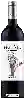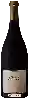
Domaine RossignolLes Schistes
 Red wine
In the mouth this red wine is a powerful with a nice balance between acidity and tannins.
This wine generally goes well with beef, veal or pasta.

Taste structure of the Les Schistes from the Domaine Rossignol
Light | Bold | |
Smooth | Tannic | |
Dry | Sweet | |
Soft | Acidic |
In the mouth the Les Schistes of Domaine Rossignol in the region of Languedoc-Roussillon is a powerful with a nice balance between acidity and tannins.
Food and wine pairings with Les Schistes
Pairings that work perfectly with Les Schistes



Original food and wine pairings with Les Schistes
The Les Schistes of Domaine Rossignol matches generally quite well with dishes of beef, pasta or veal such as recipes of stuffed peppers, spaghetti with old-fashioned tomato sauce or oriental stuffed vegetables.
Details and technical informations about Domaine Rossignol's Les Schistes.
Discover the grape variety: Altesse
Structured, aromatic whites with an ample palate and firm acidity, featuring aromas of white flowers (acacia), white peach, ripe pear, honey, candied citrus, toasted almond and alpine mineral notes. Good length and ageing potential. Absolute star of Roussette de Savoie AOC (especially crus Frangy, Marestel, Monthoux) and Roussette du Bugey AOC. Autochthonous Savoyard variety; legend has it that it was brought from Cyprus by Crusaders in the 14th century.
Informations about the Domaine Rossignol
The Domaine Rossignol is one of of the world's greatest estates. It offers 12 wines for sale in the of Côtes du Roussillon to come and discover on site or to buy online.

The wine region of Côtes du Roussillon
Catalan sun and Mediterranean character on the edge of the Pyrenees. Fleshy, sun-soaked reds with signature notes of candied black fruit (blackberry, plum), garrigue, pepper, liquorice and dark chocolate, firm tannins and generous warmth. Blends of Grenache (roundness), Syrah (spice), old-vine Carignan (power) and dense Mourvèdre. Also sunny rosés and ample whites (Grenache Blanc, Macabeu).
The wine region of Languedoc-Roussillon
Largest single French vineyard, dominated by sunny, generous reds. Spicy Syrah, candied Grenache (ripe fruit, garrigue), structured Carignan, deep Mourvèdre, supple Cinsault. Stars: structured Corbières, Minervois, Faugères, Saint-Chinian; round Côtes-du-Roussillon. Legendary vins doux naturels: Banyuls and Maury (fortified Grenache) with notes of cocoa, fig, prune.
The word of the wine: Marcottage
A vine reproduction technique that consists of burying a vine shoot that takes root and reproduces a plant with the same characteristics as the vine to which it is attached (synonym: provignage).