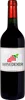
Domaine PeirièreCuvée Nagasaki Cabernet Sauvignon - Merlot
 Red wine
This wine is a blend of 2 varietals which are the Cabernet-Sauvignon and the Merlot.
In the mouth this red wine is a powerful with a nice balance between acidity and tannins.
This wine generally goes well with beef, veal or pasta.

Taste structure of the Cuvée Nagasaki Cabernet Sauvignon - Merlot from the Domaine Peirière
Light | Bold | |
Smooth | Tannic | |
Dry | Sweet | |
Soft | Acidic |
In the mouth the Cuvée Nagasaki Cabernet Sauvignon - Merlot of Domaine Peirière in the region of Languedoc-Roussillon is a powerful with a nice balance between acidity and tannins.
Food and wine pairings with Cuvée Nagasaki Cabernet Sauvignon - Merlot
Pairings that work perfectly with Cuvée Nagasaki Cabernet Sauvignon - Merlot



Original food and wine pairings with Cuvée Nagasaki Cabernet Sauvignon - Merlot
The Cuvée Nagasaki Cabernet Sauvignon - Merlot of Domaine Peirière matches generally quite well with dishes of beef, pasta or veal such as recipes of wild boar with honey, fried rice noodles with chicken or sliced endives with ham.
Details and technical informations about Domaine Peirière's Cuvée Nagasaki Cabernet Sauvignon - Merlot.
Discover the grape variety: Cabernet-Sauvignon
Structured, tannic reds, deeply coloured, with aromas of blackcurrant, blackberry, cedar, tobacco and graphite, underpinned by firm acidity and fine ageing potential. Cornerstone of the great Médoc estates (Pauillac, Saint-Estèphe, Saint-Julien) and signature of Napa Valley, Coonawarra and Maipo. The world's most planted red variety, a natural cross of Cabernet Franc x Sauvignon Blanc born in Bordeaux.
Informations about the Domaine Peirière
The Domaine Peirière is one of of the world's great estates. It offers 33 wines for sale in the of Languedoc to come and discover on site or to buy online.

The wine region of Languedoc
Sunny, generous southern reds: spicy, peppery Syrah, round, candied Grenache (ripe fruit, garrigue), deep Mourvèdre, structured Carignan, supple Cinsault. From robust Corbières and Minervois to fresher Terrasses du Larzac, via Faugères on schist or taut Pic Saint-Loup. Lively, iodised Picpoul de Pinet whites (oysters), ample Roussanne and Marsanne. 14 sub-appellations, ~10,000 ha in regional AOC.
The wine region of Languedoc-Roussillon
Largest single French vineyard, dominated by sunny, generous reds. Spicy Syrah, candied Grenache (ripe fruit, garrigue), structured Carignan, deep Mourvèdre, supple Cinsault. Stars: structured Corbières, Minervois, Faugères, Saint-Chinian; round Côtes-du-Roussillon. Legendary vins doux naturels: Banyuls and Maury (fortified Grenache) with notes of cocoa, fig, prune.
The word of the wine: Tasting
Sensory analysis of the wine according to a precise procedure and steps, using an appropriate vocabulary.