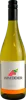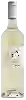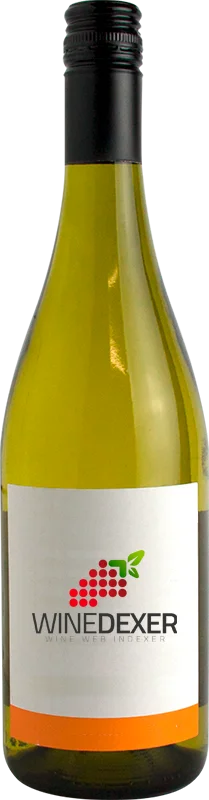
Domaine MondangePrimizia Blanc
 White wine



This wine generally goes well with

Details and technical informations about Domaine Mondange's Primizia Blanc.
Discover the grape variety: Ehrenfelser
Aromatic, fruity whites with a pale golden robe, an airy palate with preserved acidity, and signature aromas of peach, apricot, white flowers and light mineral notes. Also crafted as botrytised sweet wines (Spätlese, Auslese). Grown in Germany, Canada and British Columbia for dry and sweet whites, it ripens earlier than Riesling. A German white grape bred in 1929 at Geisenheim (Riesling × Knipperlé).
Last vintages of this wine
The best vintages of Primizia Blanc from Domaine Mondange are 0
Informations about the Domaine Mondange
The Domaine Mondange is one of of the world's greatest estates. It offers 9 wines for sale in the of Ile de Beaute to come and discover on site or to buy online.

The wine region of Ile de Beaute
IGP covering all Corsica, complement to the 9 AOCs. Three noble natives as signatures. Powerful Niellucciu red (Sangiovese's brother) with signature notes of black cherry, blackberry, garrigue, leather and a spicy touch, firm tannins. Finer spicier Sciaccarellu (strawberry, pepper, maquis).
The word of the wine: Phylloxera
Aphid that came from America and ravaged European vineyards at the end of the 19th century. It lives on the roots of the vine, from which it pumps the sap. The only vines capable of resisting it had to be imported from the United States, and then grafted onto their root system the wood of traditional French grape varieties. Today, grafted vines are always planted.