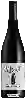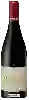
Domaine MilhauDomaine de la Pierre Blanche Saint-Chinian
 Red wine
This wine generally goes well with beef, veal or pasta.

Food and wine pairings with Domaine de la Pierre Blanche Saint-Chinian
Pairings that work perfectly with Domaine de la Pierre Blanche Saint-Chinian



Original food and wine pairings with Domaine de la Pierre Blanche Saint-Chinian
The Domaine de la Pierre Blanche Saint-Chinian of Domaine Milhau matches generally quite well with dishes of beef, pasta or veal such as recipes of improved horse steak, pasta with chicken or pork tenderloin with chorizo and peppers.
Details and technical informations about Domaine Milhau's Domaine de la Pierre Blanche Saint-Chinian.
Discover the grape variety: Chardonnay
Whites with many faces: mineral and taut at Chablis (lemon, green apple, flint), opulent and buttery at Meursault and Puligny-Montrachet (hazelnut, brioche, yellow fruits), tense and chalky in Champagne (Blanc de Blancs). Also vinified sparkling and widely exported (Sonoma, Margaret River, Casablanca). A Burgundian variety, a cross of Pinot Noir × Gouais Blanc, half-sibling of Aligoté.
Informations about the Domaine Milhau
The Domaine Milhau is one of wineries to follow in Saint-Chinian.. It offers 3 wines for sale in the of Saint-Chinian to come and discover on site or to buy online.

The wine region of Saint-Chinian
Languedoc cru between Beziers and Saint-Pons, signature dual terroir. Fleshy Mediterranean reds with notes of black fruit (blackberry, black cherry), garrigue, pepper, liquorice and spice, firm tannins and a sun-drenched palate. Northern schists: fruitier, smokier profile. Southern clay-limestone: more structured wines.
The wine region of Languedoc-Roussillon
Largest single French vineyard, dominated by sunny, generous reds. Spicy Syrah, candied Grenache (ripe fruit, garrigue), structured Carignan, deep Mourvèdre, supple Cinsault. Stars: structured Corbières, Minervois, Faugères, Saint-Chinian; round Côtes-du-Roussillon. Legendary vins doux naturels: Banyuls and Maury (fortified Grenache) with notes of cocoa, fig, prune.
The word of the wine: Climate
Term used in Burgundy to designate a locality. The most famous climats are subject to specific recognition and constitute the first growths.