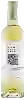
Domaine Michel SigéMuscat de St. Jean de Minervois
 Natural sweet wine



This wine generally goes well with
The Muscat de St. Jean de Minervois of the Domaine Michel Sigé is in the top 5 of wines of Muscat de St. Jean de Minervois.
Details and technical informations about Domaine Michel Sigé's Muscat de St. Jean de Minervois.
Discover the grape variety: Couderc noir
Natural interspecific crossing between Jaeger 70 (Vitis Rupestris x Vitis Lincecumii) and an unknown Vitis Vinifera discovered by Eugène Contassot, the seeds from this crossing having been offered to/seeded by Georges Couderc. This direct-producing hybrid was the most widely planted, particularly in the south of France. There are still a few strains in production today, but it is practically no longer multiplied, although it is registered in the Official Catalogue of Vine Varieties, list A1. - Synonymy: Couderc 7120, Contassot 20 (for all the synonyms of the varieties, click here!).
Last vintages of this wine
The best vintages of Muscat de St. Jean de Minervois from Domaine Michel Sigé are 0
Informations about the Domaine Michel Sigé
The Domaine Michel Sigé is one of of the world's greatest estates. It offers 1 wines for sale in the of Muscat de St. Jean de Minervois to come and discover on site or to buy online.

The wine region of Muscat de St. Jean de Minervois
Muscat de Saint-Jean-de-Minervois is a Sweet, fortified, natural wine appellation from the Languedoc wine region in Southern France. The wines are based on the Muscat Blanc a Petits Grains Grape variety. Muscat de Saint-Jean-de-Minervois wines are produced using a traditional sweet winemaking process called Mutage, which involves adding Alcohol to the grape must to prematurely stop the Yeast">yeast and thus the Fermentation process. They generally have a residual sugar content of about 125 grams per litre and an alcohol content of about 15%.
The wine region of Languedoc-Roussillon
Languedoc (formerly Coteaux du Languedoc) is a key appellation used in the Languedoc-Roussillon wine region of southern France. It covers Dry table wines of all three colors (red, white and rosé) from the entire region, but leaves Sweet and Sparkling wines to other more specialized appellations. About 75% of all Languedoc wines are red, with the remaining 25% split roughly down the middle between whites and rosés. The appellation covers most of the Languedoc region and almost a third of all the vineyards in France.
The word of the wine: Amylic
Aroma reminiscent of banana, candy, and sometimes nail polish, particularly present in primeur wines. The amylic taste is reminiscent of the aromas of industrial confectionery and does not reflect a great expression of terroir.