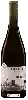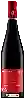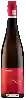
Winery Markgräflich Badisches - 1112 Elfhundert ZwölfSpätburgunder Rosé Trocken
 Pink wine


This wine generally goes well with vegetarian
Food and wine pairings with Spätburgunder Rosé Trocken
Pairings that work perfectly with Spätburgunder Rosé Trocken

Original food and wine pairings with Spätburgunder Rosé Trocken
The Spätburgunder Rosé Trocken of Winery Markgräflich Badisches - 1112 Elfhundert Zwölf matches generally quite well with dishes of vegetarian such as recipes of quiche with leeks and fresh salmon from flo.
Details and technical informations about Winery Markgräflich Badisches - 1112 Elfhundert Zwölf's Spätburgunder Rosé Trocken.
Discover the grape variety: Counoise
Counoise is a black grape variety of Spanish origin. It is widely cultivated in the southern part of France. It is very similar to the aubun, with which it is often confused, and has a white cottony bud. Unlike the aubun, the leaves of this variety do not have teeth in the petiolar sinus. They are thick and large. Its bunches are medium-sized but its berries are large. It is advisable to prune it short so that it is productive. It matures in the second half of the year, but production depends on the vintage. This grape variety appreciates hillside terroirs, which are stony and warm. It fears grey rot without being sensitive to oidium and mildew. Counoise has two approved clones, 508 and 725. The wine obtained from Counoise is not very colourful. It is fine and fruity. Its aromas are diversified with notes of fruit, flowers and spices.
Last vintages of this wine
The best vintages of Spätburgunder Rosé Trocken from Winery Markgräflich Badisches - 1112 Elfhundert Zwölf are 0, 2018
Informations about the Winery Markgräflich Badisches - 1112 Elfhundert Zwölf
The Winery Markgräflich Badisches - 1112 Elfhundert Zwölf is one of of the world's great estates. It offers 19 wines for sale in the of Baden to come and discover on site or to buy online.

The wine region of Baden
Baden is the southernmost of Germany's 13 official wine regions. It is also the warmest. Its relatively sunny, DryClimate permits the production of good-quality Spätburgunder (Pinot Noir) and ripe, relatively Full-bodied">Full-bodied examples of Grauburgunder (Pinot Gris) and Weissburgunder (Pinot Blanc). These are often made in oaked styles.
The word of the wine: Muscat blanc à petits grains
A white grape variety cultivated since antiquity on the shores of the Mediterranean, it is considered the noblest of the muscats. It is mainly used to make sweet wines, often from mutage. In France, it is the sole variety used in many natural sweet wines: muscat-de-frontignan, muscat-de-mireval, muscat-de-lunel, muscat-de-saint-jean-de-minervois, muscat-de-beaumes-de-venise, muscat-du-cap-corse. Combined with Muscat d'Alexandrie, it gives Muscat-de-Rivesaltes. It is also used to make sparkling white wines (clairette-de-die; moscato d'asti and asti spumante in Italy) and dry wines (alsace-muscat). Powerfully aromatic and complex, its wines evoke fresh grapes, roses, exotic fruits, citrus fruits and spices.