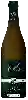
Winery Markgräflich Badisches - 1112 Elfhundert ZwölfBlanc de Noirs Trocken
 White wine



This wine generally goes well with vegetarian

Wine flavors and olphactive analysis

On the nose the Blanc de Noirs Trocken of Winery Markgräflich Badisches - 1112 Elfhundert Zwölf in the region of Baden often reveals types of flavors of grapefruit, citrus or lemon and sometimes also flavors of pear, honey or earth.
Food and wine pairings with Blanc de Noirs Trocken
Pairings that work perfectly with Blanc de Noirs Trocken

Original food and wine pairings with Blanc de Noirs Trocken
The Blanc de Noirs Trocken of Winery Markgräflich Badisches - 1112 Elfhundert Zwölf matches generally quite well with dishes of vegetarian such as recipes of magic cake cheese quiche.
Details and technical informations about Winery Markgräflich Badisches - 1112 Elfhundert Zwölf's Blanc de Noirs Trocken.
Discover the grape variety: Muscaris
Aromatic, expressive dry whites with a pale golden colour and a broad, crisp palate; signature intense muscat aromas (rose, fresh grape), white flowers, exotic fruits (lychee, mango) and citrus. Modern disease-resistant early-ripening profile. Grown in Germany, Switzerland, Belgium and the UK in organic northern vineyards. German white hybrid obtained in 1987 in Freiburg, from Solaris × Muscat à Petits Grains.
Last vintages of this wine
The best vintages of Blanc de Noirs Trocken from Winery Markgräflich Badisches - 1112 Elfhundert Zwölf are 2019, 2018, 2017, 2016
Informations about the Winery Markgräflich Badisches - 1112 Elfhundert Zwölf
The Winery Markgräflich Badisches - 1112 Elfhundert Zwölf is one of of the world's greatest estates. It offers 19 wines for sale in the of Baden to come and discover on site or to buy online.

The wine region of Baden
German capital of Pinot Noir (Spätburgunder): silky, fine reds with notes of red fruits, cherry, undergrowth and sweet spices, melted tannins. Round Grauburgunder (Pinot Gris), lively Weissburgunder, supple Müller-Thurgau, mineral Riesling. Germany's 3rd region (15,000 ha) in Baden-Württemberg facing Alsace, one of the country's warmest climates, volcanic soils at the Kaiserstuhl. Cradle of modern great German reds, elegant and fine.
The word of the wine: Skinny
Thin and lacking in substance in the mouth.