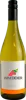
Domaine le LuissaletClos des Caillettes Pinot Blanc Barrique
 wine
wine
This wine generally goes well with
The Clos des Caillettes Pinot Blanc Barrique of the Domaine le Luissalet is in the top 0 of wines of Bex.
Details and technical informations about Domaine le Luissalet's Clos des Caillettes Pinot Blanc Barrique.
Discover the grape variety: Merlese
Intraspecific crossing between sangiovese or nielluccio and merlot noir obtained in 1983 by the University of Bologna (Italy), registered since 2007 in the Italian Official Register of wine grape varieties... totally unknown in France.
Informations about the Domaine le Luissalet
The Domaine le Luissalet is one of of the world's great estates. It offers 26 wines for sale in the of Bex to come and discover on site or to buy online.

The wine region of Bex
The wine region of Bex is located in the region of Chablais of Vaud of Switzerland. Wineries and vineyards like the Domaine du Montet or the Domaine Cortis produce mainly wines red, white and pink. The most planted grape varieties in the region of Bex are Merlot, Pinot noir and Cabernet franc, they are then used in wines in blends or as a single variety. On the nose of Bex often reveals types of flavors of tree fruit, citrus fruit or oak and sometimes also flavors of non oak, black fruit.
The wine region of Vaud
Vaud is Switzerland's second-largest wine region, located in the French-speaking southwest. The region - which is also one of 26 cantons in the country - is best known for its crisp, white Fendant wines (the national name for the Chasselas variety) and its stunning lakeside landscapes. Both of these reach their zenith in the grand crus of Lavaux/dezaley">Dezaley and Calamin. These famous Lavaux Vineyard terraces, which rise steeply up above Lake Geneva (Lac Léman), are considered of such importance that they are now enjoy protected status as a UNESCO World Heritage Site.
The word of the wine: Draft liquor (champagne)
After blending, the wine is bottled with a liqueur de tirage (a mixture of sugar and wine) and a yeast (selected yeasts). The yeast attacks the sugar and creates carbon dioxide. The fermentation, which lasts about two months, is prolonged by an ageing period (15 months minimum in total). The bottle is capped (some rare vintages are capped with a staple and a cork).