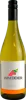
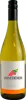
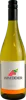
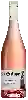
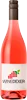
Domaine LarroudéLou Beròi Rosé
 Pink wine
This wine is a blend of 4 varietals which are the Arinarnoa, the Marselan, the Tannat and the Manseng.
This wine generally goes well with beef

Food and wine pairings with Lou Beròi Rosé
Pairings that work perfectly with Lou Beròi Rosé

Original food and wine pairings with Lou Beròi Rosé
The Lou Beròi Rosé of Domaine Larroudé matches generally quite well with dishes of shellfish, appetizers and snacks or lean fish such as recipes of cuttlefish in parsley sauce, black tapenade or island grouper.
Details and technical informations about Domaine Larroudé's Lou Beròi Rosé.
Discover the grape variety: Arinarnoa
Colourful, structured reds with a dark ruby hue, firm tannins and a dense palate, with aromas of black fruits (blackcurrant, blackberry), cherry, plum, spices, black pepper and balsamic notes reminiscent of cabernet sauvignon. Fine ageing potential. Grown in Languedoc-Roussillon and the South-West for IGP wines, also adopted in Argentina and Uruguay for modern reds. French hybrid created in 1956 in Bordeaux by INRA (tannat × cabernet sauvignon).
Informations about the Domaine Larroudé
The Domaine Larroudé is one of of the world's greatest estates. It offers 13 wines for sale in the of Comté Tolosan to come and discover on site or to buy online.

The wine region of Comté Tolosan
IGP covering all of southwest France across 12 departments, a broad and accessible palette. On the Garonne right bank, supple reds dominate: signature Merlot with signature notes of plum, ripe cherry, cocoa and a herbaceous touch, round tannins. Firm Cabernet, spicy Syrah, tannic local Tannat. Left bank for whites: vivid Colombard and Gros Manseng (citrus, grapefruit, exotic fruits), aromatic Sauvignon.
The word of the wine: Fees
This wine is characterized by a pleasant nervousness and an overall sensation of freshness on the palate, reinforced by minerality, a note of bitterness, a hint of CO2, and of course an appropriate serving temperature.