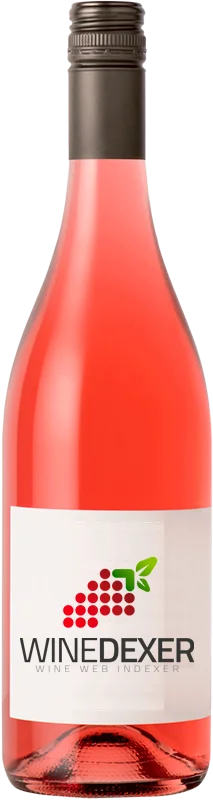
Domaine HeimbourgerBourgogne Pinot Gris Rosé
 Pink wine
This wine generally goes well with rich fish (salmon, tuna etc), shellfish or mature and hard cheese.
Food and wine pairings with Bourgogne Pinot Gris Rosé
Pairings that work perfectly with Bourgogne Pinot Gris Rosé



Original food and wine pairings with Bourgogne Pinot Gris Rosé
The Bourgogne Pinot Gris Rosé of Domaine Heimbourger matches generally quite well with dishes of rich fish (salmon, tuna etc), shellfish or mature and hard cheese such as recipes of salmon and spinach lasagna, squid from the mouth of the cavado river (portugal) or cod and zucchini crumble.
Details and technical informations about Domaine Heimbourger's Bourgogne Pinot Gris Rosé.
Discover the grape variety: Pinot gris
Pinot Gris is a grey grape variety mutated from Pinot Noir. It has its origins in Burgundy, where it is called pinot-beurot in reference to the colour of the grey robes worn by the monks of the region. Established in Alsace since the 17th century, pinot gris was called tokay until 2007. It is made up of bunches of small berries that vary in colour from pink to blue-grey. It is particularly well suited to the continental climate because it is resistant to the cold in winter and to spring frosts. This variety also likes dry limestone soils with plenty of sunshine in the summer. Pinot Gris is well suited to late harvesting or to the selection of noble grapes, depending on the year and the concentration of sugars in the berries. Pinot Gris wines are distinguished by their aromatic complexity of white fruits, mushrooms, honey, vanilla, cinnamon, etc., and their great finesse. In the Loire Valley, pinot gris is used in the Coteaux-d'Ancenis appellations. It gives dry or sweet wines with pear and peach aromas.
Informations about the Domaine Heimbourger
The Domaine Heimbourger is one of of the world's greatest estates. It offers 11 wines for sale in the of Burgundy to come and discover on site or to buy online.

The wine region of Burgundy
Bourgogne is the catch-all regional appellation title of the Burgundy wine region in eastern France ("Bourgogne" is the French name for Burgundy). Burgundy has a Complex and comprehensive appellation system; counting Premier Cru and Grand Cru titles, the region has over 700 appellation titles for its wines. Thus, Burgundy wines often come from one Vineyard (or several separate vineyards) without an appellation title specific to the region, Village or even vineyard. A standard Burgundy wine may be made from grapes grown in one or more of Burgundy's 300 communes.
The word of the wine: Vintage scale
Complex system of classification of the communes of Champagne according to the value of the grapes which are produced there. In other regions, hierarchical situation of the productions classified by various authorities.