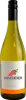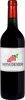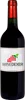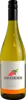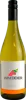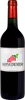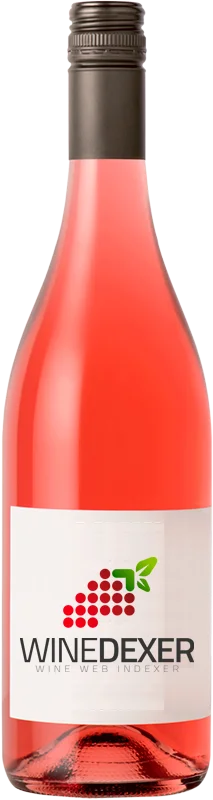
Domaine du TastetCuvée Rosé Tradition
 Pink wine



This wine generally goes well with pork, poultry or beef.
The Cuvée Rosé Tradition of the Domaine du Tastet is in the top 20 of wines of Landes.

Food and wine pairings with Cuvée Rosé Tradition
Pairings that work perfectly with Cuvée Rosé Tradition



Original food and wine pairings with Cuvée Rosé Tradition


The Cuvée Rosé Tradition of Domaine du Tastet matches generally quite well with dishes of beef, pork or game (deer, venison) such as recipes of ramen burger, homemade burger or rabbit with mustard in foil.
Details and technical informations about Domaine du Tastet's Cuvée Rosé Tradition.
Discover the grape variety: Cabernet franc
Supple, fragrant reds with fine tannins and vibrant freshness, showing raspberry, violet, green pepper, pencil lead and gentle spice aromas. Star of the Loire as a single variety (Chinon, Bourgueil, Saumur-Champigny) and of the right bank of Bordeaux in blends (Cheval Blanc at 60%). Also in semi-dry Anjou rosés. A historic Bordeaux variety, parent of Cabernet-Sauvignon, Merlot and Carmenère.
Informations about the Domaine du Tastet
The Domaine du Tastet is one of of the world's greatest estates. It offers 9 wines for sale in the of Landes to come and discover on site or to buy online.

The wine region of Landes
IGP of the South-West (Landes, ~19,000 hl/year, humid oceanic climate, sandy-acidic to clay-limestone soils): signature Colombard, Ugni Blanc, Sauvignon Blanc and Gros Manseng as white kings (60%) — dry, fresh, fruity and well-balanced profile with floral and citrus notes. Merlot, Cabernet Sauvignon, Cabernet Franc and Tannat in powerful structured reds (25%). Charming and fleshy roses (15%). Warm sunny late seasons favourable to intense aromatic over-ripening.
The wine region of Comté Tolosan
IGP covering all of southwest France across 12 departments, a broad and accessible palette. On the Garonne right bank, supple reds dominate: signature Merlot with signature notes of plum, ripe cherry, cocoa and a herbaceous touch, round tannins. Firm Cabernet, spicy Syrah, tannic local Tannat. Left bank for whites: vivid Colombard and Gros Manseng (citrus, grapefruit, exotic fruits), aromatic Sauvignon.
The word of the wine: INAO
National Institute of Origin and Quality. French organization depending on the Ministry of Agriculture and in charge of quality signs: AOC, IGP, labels and organic farming.