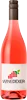
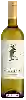
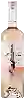
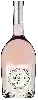
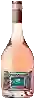
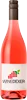
Domaine des OullièresPlaisir Rosé
 Pink wine



In the mouth this pink wine is a with a nice freshness.
This wine generally goes well with vegetarian, appetizers and snacks or lean fish.

Taste structure of the Plaisir Rosé from the Domaine des Oullières
Light | Bold | |
Dry | Sweet | |
Soft | Acidic |
In the mouth the Plaisir Rosé of Domaine des Oullières in the region of Pays d'Oc is a with a nice freshness.
Food and wine pairings with Plaisir Rosé
Pairings that work perfectly with Plaisir Rosé



Original food and wine pairings with Plaisir Rosé


The Plaisir Rosé of Domaine des Oullières matches generally quite well with dishes of pasta, vegetarian or appetizers and snacks such as recipes of pasta with chicken and curry, magic cake cheese quiche or cervelat in the alsatian style.
Details and technical informations about Domaine des Oullières's Plaisir Rosé.
Discover the grape variety: Caladoc
Deeply coloured, structured reds with a dense purple robe, smooth tannins and a round palate, with aromas of blackberry, blackcurrant, plum, garrigue, spice and balsamic notes. Good short-to-medium ageing. Vinified in blends and as single varietal in IGP Pays d'Oc and Méditerranée (Languedoc-Roussillon, Provence), also adopted in Morocco, Tunisia, Israel and Spain. A Grenache × Malbec cross created in 1958 by Paul Truel in Montpellier (INRA).
Last vintages of this wine
The best vintages of Plaisir Rosé from Domaine des Oullières are 2018
Informations about the Domaine des Oullières
The Domaine des Oullières is one of of the world's greatest estates. It offers 20 wines for sale in the of Pays d'Oc to come and discover on site or to buy online.

The wine region of Pays d'Oc
The single-grape IGP par excellence: modern, accessible, frank and fruity wines, the popular signature of the Midi. Spicy Syrah reds (pepper, blackberry), round Merlot, structured Cabernet, generous Grenache, supple Cinsault. Crisp, tangy rosés. Opulent Chardonnay whites, lively Sauvignon, floral, apricoty Viognier.
The word of the wine: Perlant
Said of a slightly effervescent wine.