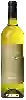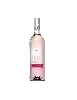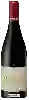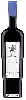
Domaine des JouglaSaint-Chinian
 Red wine
This wine generally goes well with beef, veal or pasta.

Food and wine pairings with Saint-Chinian
Pairings that work perfectly with Saint-Chinian



Original food and wine pairings with Saint-Chinian
The Saint-Chinian of Domaine des Jougla matches generally quite well with dishes of beef, pasta or veal such as recipes of beef bourguignon with cookéo, the corsican soup or sauté of veal with olives (corsica).
Details and technical informations about Domaine des Jougla's Saint-Chinian.
Discover the grape variety: Blütenmuskateller
Aromatic, sweet and sparkling whites with a pale golden robe, perfumed palate and fresh acidity; muscat-like aromas (fresh grape, flowers) more subtle than classic muscats. Resistant to downy and powdery mildew. Grown in central and eastern Europe and Australia for sweet aromatic wines. White hybrid bred in Russia in 1947 (severnyj × muscat blanc à petits grains).
Informations about the Domaine des Jougla
The Domaine des Jougla is one of of the world's great estates. It offers 16 wines for sale in the of Saint-Chinian to come and discover on site or to buy online.

The wine region of Saint-Chinian
Languedoc cru between Beziers and Saint-Pons, signature dual terroir. Fleshy Mediterranean reds with notes of black fruit (blackberry, black cherry), garrigue, pepper, liquorice and spice, firm tannins and a sun-drenched palate. Northern schists: fruitier, smokier profile. Southern clay-limestone: more structured wines.
The wine region of Languedoc-Roussillon
Largest single French vineyard, dominated by sunny, generous reds. Spicy Syrah, candied Grenache (ripe fruit, garrigue), structured Carignan, deep Mourvèdre, supple Cinsault. Stars: structured Corbières, Minervois, Faugères, Saint-Chinian; round Côtes-du-Roussillon. Legendary vins doux naturels: Banyuls and Maury (fortified Grenache) with notes of cocoa, fig, prune.
The word of the wine: Tired
Wine that is too old, faded or has suffered from handling such as racking or bottling. In the first case it is too late, in the second case the wine must be put to rest for a few weeks in the cellar.