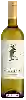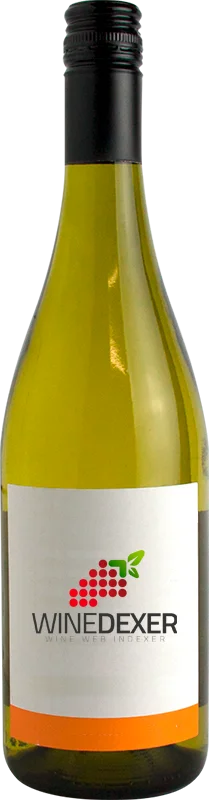
Domaine de MujolanLa Petite Robe Blanche Collines de la Moure
 White wine


In the mouth this white wine is a .
This wine generally goes well with vegetarian, poultry or lean fish.

Taste structure of the La Petite Robe Blanche Collines de la Moure from the Domaine de Mujolan
Light | Bold | |
Dry | Sweet | |
Soft | Acidic |
In the mouth the La Petite Robe Blanche Collines de la Moure of Domaine de Mujolan in the region of Pays d'Oc is a .
Food and wine pairings with La Petite Robe Blanche Collines de la Moure
Pairings that work perfectly with La Petite Robe Blanche Collines de la Moure



Original food and wine pairings with La Petite Robe Blanche Collines de la Moure


The La Petite Robe Blanche Collines de la Moure of Domaine de Mujolan matches generally quite well with dishes of pasta, vegetarian or poultry such as recipes of pasta gratin, quiche with leeks and fresh salmon from flo or spit-roasted chicken.
Details and technical informations about Domaine de Mujolan's La Petite Robe Blanche Collines de la Moure.
Discover the grape variety: Huxelrebe
Aromatic, muscaty whites with a golden robe, ample body, moderate acidity and signature notes of muscat, elderflower, exotic fruits and honey. Star of Spätlese, Auslese and botrytised Trockenbeerenauslese. Grown in Rhineland, England and Czechia for sweet and luscious whites; achieves noble rot reliably. White grape bred in 1927 by Georg Scheu in Alzey (chasselas × courtillier musqué).
Informations about the Domaine de Mujolan
The Domaine de Mujolan is one of of the world's great estates. It offers 27 wines for sale in the of Pays d'Oc to come and discover on site or to buy online.

The wine region of Pays d'Oc
The single-grape IGP par excellence: modern, accessible, frank and fruity wines, the popular signature of the Midi. Spicy Syrah reds (pepper, blackberry), round Merlot, structured Cabernet, generous Grenache, supple Cinsault. Crisp, tangy rosés. Opulent Chardonnay whites, lively Sauvignon, floral, apricoty Viognier.
The word of the wine: Sweet
Generic term for wines containing residual sugar (natural sugars in the grapes that have not been transformed into alcohol). It is also used to describe a wine with a dominantly sweet flavour, without further explanation.