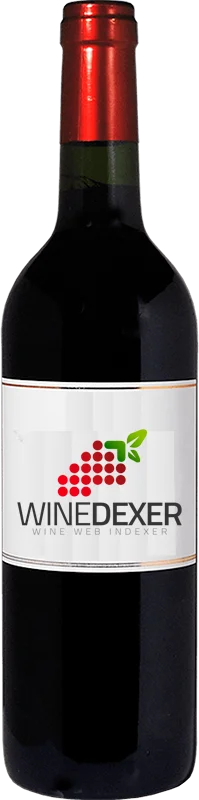
Domaine de LastronquesManciannes
 Red wine


This wine generally goes well with
The Manciannes of the Domaine de Lastronques is in the top 10 of wines of Ariege.

Details and technical informations about Domaine de Lastronques's Manciannes.
Discover the grape variety: Terret Gris
Lively, aromatic whites and pale rosés with a pale golden to salmon robe, an airy palate with preserved acidity, and signature aromas of citrus (lemon, grapefruit), white flowers, and fresh Mediterranean notes. Preserved for its heritage value, it features in some original small-production cuvées in the Languedoc. Grey-skinned mutation of Terret, a native French variety from the Languedoc.
Informations about the Domaine de Lastronques
The Domaine de Lastronques is one of of the world's greatest estates. It offers 8 wines for sale in the of Ariege to come and discover on site or to buy online.

The wine region of Ariege
Departmental IGP from the Pyrenean foothills (alluvial terraces and Tertiary clay-limestone hillsides, <500 m, sunny sub-Mediterranean climate, mild winters, hot dry summers): Syrah, Merlot, Cabernet Sauvignon, Cabernet Franc, Tannat and Pinot Noir as signature assembled reds — supple and easy-drinking with fruity aromas and preserved freshness. Chardonnay, Sauvignon, Gros and Petit Manseng, Mauzac and Chenin for fresh, floral, mineral whites. Fruity, lively, balanced rosés.
The wine region of Comté Tolosan
IGP covering all of southwest France across 12 departments, a broad and accessible palette. On the Garonne right bank, supple reds dominate: signature Merlot with signature notes of plum, ripe cherry, cocoa and a herbaceous touch, round tannins. Firm Cabernet, spicy Syrah, tannic local Tannat. Left bank for whites: vivid Colombard and Gros Manseng (citrus, grapefruit, exotic fruits), aromatic Sauvignon.
The word of the wine: Pruine
A thin, fluffy film that covers the surface of the grape. It makes the berry impermeable and contains the indigenous yeasts necessary for the fermentation of the must.