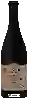
Domaine de la SalleFitou
 Red wine
In the mouth this red wine is a powerful with a nice balance between acidity and tannins.
This wine generally goes well with beef, veal or pasta.
Taste structure of the Fitou from the Domaine de la Salle
Light | Bold | |
Smooth | Tannic | |
Dry | Sweet | |
Soft | Acidic |
In the mouth the Fitou of Domaine de la Salle in the region of Languedoc-Roussillon is a powerful with a nice balance between acidity and tannins.
Food and wine pairings with Fitou
Pairings that work perfectly with Fitou



Original food and wine pairings with Fitou
The Fitou of Domaine de la Salle matches generally quite well with dishes of beef, pasta or veal such as recipes of spaghetti squash bolognese style, pho ga (vietnamese chicken soup) or sliced endives with ham.
Details and technical informations about Domaine de la Salle's Fitou.
Discover the grape variety: Kadarka
Some say that it originated in Hungary, while others say it came from Turkey via Bulgaria. Known in Austria and more generally in Eastern Europe (Albania, Croatia, Moldavia, Slovakia, Romania, Serbia, etc.), it is registered in the Official Catalogue of Wine Grape Varieties, list A1.
Informations about the Domaine de la Salle
The Domaine de la Salle is one of of the world's greatest estates. It offers 4 wines for sale in the of Fitou to come and discover on site or to buy online.

The wine region of Fitou
Fitou is a red wine appellation in the heart of the Languedoc-Roussillon wine region in southern France. The wine takes its name from a small Village located a few kilometres from the Mediterranean coast. The typical Fitou wine is not dissimilar to the reds produced in the neighbouring Corbières (i. e.
The wine region of Languedoc-Roussillon
Languedoc (formerly Coteaux du Languedoc) is a key appellation used in the Languedoc-Roussillon wine region of southern France. It covers Dry table wines of all three colors (red, white and rosé) from the entire region, but leaves Sweet and Sparkling wines to other more specialized appellations. About 75% of all Languedoc wines are red, with the remaining 25% split roughly down the middle between whites and rosés. The appellation covers most of the Languedoc region and almost a third of all the vineyards in France.
The word of the wine: Dismantling
After devatting, the pomace is removed from the tank. If this operation is carried out manually, it is important to ventilate the vat well to avoid the risk of accidents due to the presence of carbon dioxide.