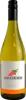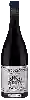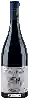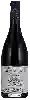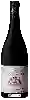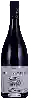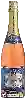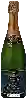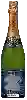
Domaine de la BourrelièreDomain De La bourreliere Les Roncieres Anjou
 Sparkling wine
This wine generally goes well with poultry, beef or veal.
Food and wine pairings with Domain De La bourreliere Les Roncieres Anjou
Pairings that work perfectly with Domain De La bourreliere Les Roncieres Anjou



Original food and wine pairings with Domain De La bourreliere Les Roncieres Anjou

The Domain De La bourreliere Les Roncieres Anjou of Domaine de la Bourrelière matches generally quite well with dishes of beef, veal or game (deer, venison) such as recipes of roast beef casserole, roast pork with prunes or giant paella cooked on a wood fire.
Details and technical informations about Domaine de la Bourrelière's Domain De La bourreliere Les Roncieres Anjou.
Discover the grape variety: Palieri
This variety was obtained in 1958 in Velletri (Italy) by Michèle Palieri by crossing Alphonse Lavallée and molinera gorda or red malaga. Because of its great vigour, it is ideal for creating a trellis or a pergola. Little known in France, it can be found in Italy, Spain, Portugal, Morocco, etc.
Informations about the Domaine de la Bourrelière
The Domaine de la Bourrelière is one of of the world's greatest estates. It offers 7 wines for sale in the of Burgundy to come and discover on site or to buy online.

The wine region of Burgundy
Bourgogne is the catch-all regional appellation title of the Burgundy wine region in eastern France ("Bourgogne" is the French name for Burgundy). Burgundy has a Complex and comprehensive appellation system; counting Premier Cru and Grand Cru titles, the region has over 700 appellation titles for its wines. Thus, Burgundy wines often come from one Vineyard (or several separate vineyards) without an appellation title specific to the region, Village or even vineyard. A standard Burgundy wine may be made from grapes grown in one or more of Burgundy's 300 communes.
The word of the wine: Drawing (liqueur de)
In champagne and sparkling wines of traditional method, addition to the wine, at the time of bottling (tirage) of sugars and yeasts dissolved in wine. These components will provoke the second fermentation in the bottle leading to the formation of carbon dioxide bubbles.