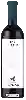
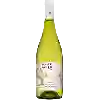
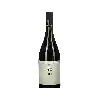
Domaine de GensacSolo
 Red wine


This wine generally goes well with beef

Wine flavors and olphactive analysis

Food and wine pairings with Solo
Pairings that work perfectly with Solo

Original food and wine pairings with Solo
The Solo of Domaine de Gensac matches generally quite well with dishes of beef such as recipes of monkfish with vegetable tagliatelle.
Details and technical informations about Domaine de Gensac's Solo.
Discover the grape variety: Tannat
Powerful, tannic reds with inky colour and dense texture, with aromas of blackberry, blackcurrant, black plum, leather, liquorice and smoky notes. Very high ageing potential and polyphenol content (health reputation). Star of Madiran AOC in Béarn and the national grape of Uruguay (Canelones, Maldonado). Also grown in Irouléguy and Tursan. Late-ripening red variety from south-west France.
Last vintages of this wine

The best vintages of Solo from Domaine de Gensac are 2011, 2010, 2008, 2012 and 2009.
Informations about the Domaine de Gensac
The Domaine de Gensac is one of of the world's greatest estates. It offers 17 wines for sale in the of Gers to come and discover on site or to buy online.

The wine region of Gers
Gascon IGP covering 90% of the Côtes de Gascogne terroir (clay soils, sandy loams and well-draining boulbènes, dual oceanic-meridional influence, thermal amplitude preserving acidity): Colombard, Ugni Blanc, Gros and Petit Manseng as signature indigenous whites — lively and fruity with citrus and exotic fruit aromas, beautiful freshness, dry or semi-sweet. Sauvignon and Chardonnay as complements. Tannat, Merlot, Cabernet and Syrah for balanced reds and rosés.
The wine region of Comté Tolosan
IGP covering all of southwest France across 12 departments, a broad and accessible palette. On the Garonne right bank, supple reds dominate: signature Merlot with signature notes of plum, ripe cherry, cocoa and a herbaceous touch, round tannins. Firm Cabernet, spicy Syrah, tannic local Tannat. Left bank for whites: vivid Colombard and Gros Manseng (citrus, grapefruit, exotic fruits), aromatic Sauvignon.
The word of the wine: Fruity
A wine whose nose is first characterized by aromas reminiscent of the world of fruit. A wine to be drunk young is essentially fruity, but all wines offer this type of aroma in the first place, which can evolve over time, from the scent of fresh fruit to cooked, stewed, candied or brandied fruit.