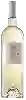
Domaine de GavaissonEmotion
 White wine


This wine is a blend of 2 varietals which are the Rolle and the Vermentino.
This wine generally goes well with

Wine flavors and olphactive analysis

On the nose the Emotion of Domaine de Gavaisson in the region of Provence often reveals types of flavors of oaky, oak.
Details and technical informations about Domaine de Gavaisson's Emotion.
Discover the grape variety: Rolle
Structured, aromatic whites with an ample mouth and fresh acidity, featuring aromas of citrus (grapefruit, lemon), pear, white flesh fruits, white flowers, fennel and typical marine saline notes. Slightly bitter finish on citrus peel. The absolute signature of great Provence whites (Côtes de Provence AOC, Bellet AOC), a pillar of Corsican whites (Patrimonio AOC, Ajaccio AOC) and present in Languedoc. The French name for Italian Vermentino, native Mediterranean grape.
Last vintages of this wine
The best vintages of Emotion from Domaine de Gavaisson are 2015, 2013, 2014
Informations about the Domaine de Gavaisson
The Domaine de Gavaisson is one of of the world's greatest estates. It offers 2 wines for sale in the of Provence to come and discover on site or to buy online.

The wine region of Provence
World capital of dry, refined rosé (~90% of production). Pale rose-petal colour, delicate nose of fresh red fruits (strawberry, raspberry, redcurrant), citrus (pink grapefruit), white flowers and a mineral touch, taut and thirst-quenching palate — the Mediterranean aperitif par excellence. Blends of Grenache, Cinsault, Syrah, Tibouren and Mourvèdre. Fleshy Bandol reds from Mourvèdre (leather, garrigue, age-worthy), straight Cassis whites.
The word of the wine: White winemaking
White wines are obtained by fermentation of the juice after pressing. A pre-fermentation maceration is sometimes practiced to extract the aromatic substances from the skins. White wines are normally made from white grapes, but can also be made from red grapes (blanc de noirs). The grapes are then pressed as soon as they arrive at the vat house without maceration in order to prevent the colouring matter contained in the skins from "staining" the wine.